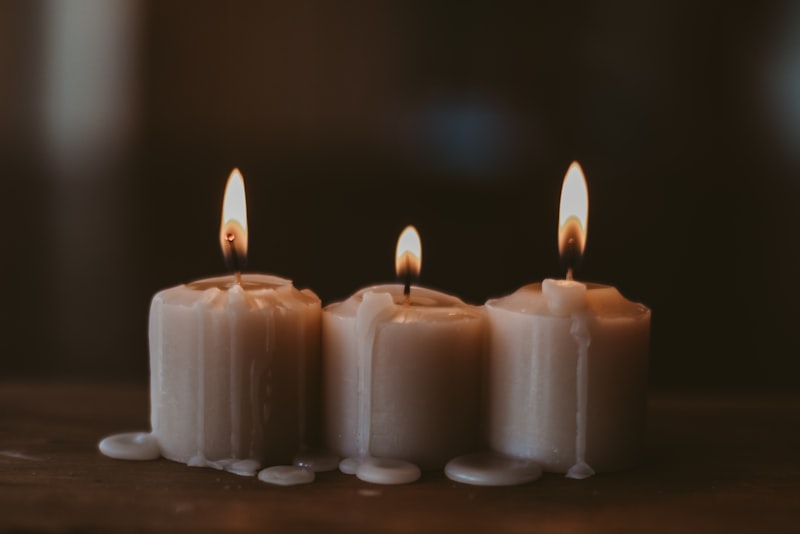
Few things make a home feel cozier than the soft glow of a candle you poured yourself. Candle making is a wonderfully beginner-friendly craft: the supplies are inexpensive, the steps are simple, and the results smell amazing. With a little care, especially around heat and flame, you can fill your home with warm light and your favorite scents.
Gathering Your Supplies#
Starting out is refreshingly affordable. For your first batch, soy wax is the gentlest choice; it melts at a low temperature, releases fragrance well, and cleans up with soap and water. You will also need wicks, a heatproof pouring pitcher, a thermometer, fragrance oils made for candles, and containers such as small jars or tins.
Choosing the right wick matters more than beginners expect. A wick that is too small will tunnel down the middle and drown in its own wax, while one too large can flame too high and smoke. Most wick packaging lists the container diameter it suits, so match it to your jar and you will avoid the two most common first-timer frustrations.
Your container choice matters for safety as much as style. Use vessels made specifically for candles or sturdy heat-resistant glass and metal; thin drinking glasses or decorative jars that were never meant for heat can crack as the wax warms. Heatproof ceramic, mason jars, and proper candle tins are all dependable. Wash and dry whatever you choose thoroughly, because stray dust or moisture can leave bubbles or pits in the finished surface.
Candle making rewards patience over speed. Rush the wax or the cure, and the candle will tell on you the moment you light it.
Melting the Wax Safely#
This is the step where care matters most, so give it your full attention. Set up a double boiler by resting your pouring pitcher in a pan of simmering water; never melt wax directly over an open flame or in a dry pan, because wax is flammable and can ignite if it overheats. Keep your thermometer in the wax and watch the temperature the whole time.
Most soy wax melts fully between roughly 170 and 185 degrees Fahrenheit, but always follow the temperature range printed on your specific wax. The single most important rule of this entire craft is simple: never leave melting wax unattended, not even to answer the door. Heated wax can climb in temperature quickly, and a watched pot here is genuinely a safety measure, not just an old saying.
Work on a clear, heatproof surface away from clutter, keep children and pets out of the immediate area, and have a lid or baking soda nearby in case you ever need to smother a flare-up. Water never goes on a wax fire; it spreads it. With these habits in place, melting wax is calm and completely manageable.
Adding Scent, Color, and Pouring#
Once your wax reaches the melt temperature, remove it from the heat and let it cool slightly before adding fragrance, usually around 180 degrees, though your fragrance oil may specify its own number. Stir the oil in gently for a full two minutes so the scent binds evenly throughout the wax rather than sinking to the bottom.
Meanwhile, secure your wick in the center of the container. A dab of glue on the metal tab anchors it to the base, and a clothespin or pencil laid across the rim holds the top straight. When the wax has cooled to the pouring temperature on your wax's instructions, pour it slowly and steadily into the container, leaving a little room at the top.
Then comes the hardest part: waiting. Let the candles cool undisturbed at room temperature, away from drafts and never in the fridge, which can cause cracking. If the surface dips or cracks slightly as it sets, that is normal, and a small top-up pour smooths it out once the first layer is firm.
A word on fragrance amounts, since beginners tend to overpour in the hope of a stronger scent. More oil does not always mean more fragrance; past a certain point the excess simply will not bind to the wax and can leave oily spots or even a safety hazard as it burns. Follow the usage rate printed on your wax and fragrance, usually a small percentage by weight, and weigh your oil rather than guessing. A kitchen scale is the single most useful tool for getting consistent, reliable results batch after batch.
Curing and Your First Burn#
Resist the temptation to light your candle the moment it is solid. Soy candles benefit from curing, a resting period of a few days up to two weeks, which lets the fragrance fully bind to the wax. The wait genuinely improves the scent throw, so tuck the candles somewhere safe and let them rest.
When you are ready for that first glow, trim the wick to about a quarter inch to keep the flame low and tidy. A few burning habits will keep every candle safe and beautiful:
- Always burn candles on a heatproof surface, away from curtains, paper, and anything flammable.
- Never leave a burning candle unattended, and keep it out of reach of children and pets.
- Extinguish the flame before the wax burns down to the last half inch of the container.
These are not just suggestions; they are the difference between a cozy evening and a dangerous one. Treat every flame with respect and your handmade candles will be a pure pleasure.
Enjoying What You Made#
There is something deeply satisfying about lighting a candle and knowing your own hands poured it. You chose the scent, the vessel, and the moment, and now your home carries that warmth. Candle making is also endlessly customizable, so once you have the basics down you can experiment with layered fragrances, tinted wax, and pretty containers rescued from the recycling bin.
Start with one small batch, follow the temperatures, and above all honor the safety habits around heat and flame. Master those, and you will have a calming, affordable craft you return to again and again, gifting glowing jars to friends and filling your own rooms with light you made yourself.