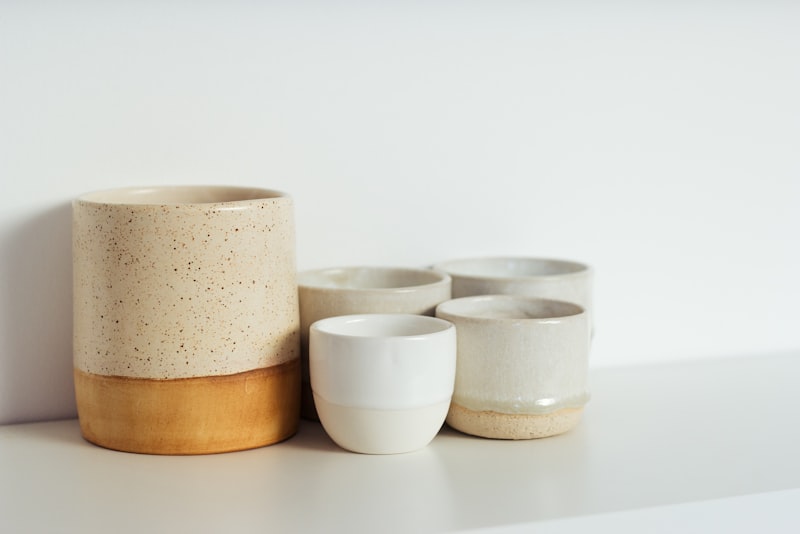
Plants and handmade crafts are a perfect match: greenery brings a room to life, and a pot or hanger you made yourself gives that greenery a story. You don't need a conservatory or a green thumb to start. With one easy plant and an afternoon of simple crafting, you can turn a dull corner into the spot everyone gravitates toward.
Choose plants that forgive beginners#
The fastest way to fall out of love with houseplants is to start with a fussy one and watch it sulk. So start with plants that practically thrive on neglect. A few have earned their reputation as nearly unkillable, and they're a kind welcome to plant care.
Look for a pothos, with its trailing vines that drape beautifully off a shelf and bounce back even if you forget to water it. A snake plant stands tall and architectural, asking almost nothing of you and tolerating low light. A spider plant sends out little baby plantlets you can snip off and pot up, multiplying your collection for free. All three cope with the ordinary ups and downs of a busy home, which is exactly what a beginner needs.
When you bring a plant home, resist the urge to fuss. Most houseplant deaths come from too much water, not too little. Poke a finger into the soil; if the top inch is still damp, wait. That single habit will keep more plants alive than any other tip I could give you.
Make the pots part of the decor#
Here's where the craft side gets delicious. A plant in a plain plastic nursery pot is functional; a plant in a pot you decorated yourself is decor. And making over a pot is one of the most beginner-friendly crafts there is.
The simplest upgrade costs nothing: a clean glass jar or an empty tin becomes a planter in minutes. Give it a thorough wash first, and if you're reusing a food tin, file or fold down any sharp edge around the rim so it's safe to handle. From there, the world is yours — a coat of paint in a color that ties into your room, a wrap of twine or jute glued around the outside for texture, or a band of fabric for a softer look. For drainage, either pop a few holes in the base or, easier still, keep the plant in its plastic pot and simply slot it inside your decorated container.
A pot doesn't have to be perfect to be lovely. The slightly uneven brushstrokes and the twine that doesn't quite line up are the marks of something handmade, and those are precisely the details that make a room feel personal instead of catalog-perfect.
If you've already tried your hand at a macrame wall hanging, you'll find a macrame plant hanger uses the very same knots. A few square knots and a couple of lengths of cord will cradle a small pot and send your trailing pothos cascading down from the ceiling, drawing the eye up and making a small room feel taller.
Style your plants like a stylist#
Once you have a plant or two in pretty pots, a little arrangement know-how makes them look intentional rather than scattered. The tricks professional stylists use are simpler than you'd think, and they cost nothing to apply.
- Group in odd numbers. Three plants clustered together look more natural and pleasing than two or four. Our eyes simply like odd groupings.
- Vary the height. Set a tall snake plant beside a low trailing one, or lift a small pot onto a stack of books or a little handmade stand. Different heights create rhythm.
- Repeat a material. Echoing the same twine, paint color, or pot style across a few planters ties a whole shelf together and makes a mismatched collection feel curated.
- Let some plants trail. A vine spilling off a high shelf or down the side of a cabinet softens hard edges and adds movement to a still room.
Place plants where they'll actually be happy, too. Match a plant's light needs to the spot before you commit to styling it there. A sun-lover languishing in a dark corner won't stay photogenic for long, however pretty its pot.
Keep it safe and low-stress#
A plant-filled home should feel calming, not worrying, so a few practical habits keep everyone safe. The most important one: some popular houseplants are toxic if eaten, including pothos and many trailing favorites. If you share your home with curious pets or small children, place those plants well out of reach — high shelves and hanging planters are your friends here — or choose pet-safe options like the spider plant instead. A quick search of any new plant's name plus "toxic to pets" before you buy saves a lot of anxiety later.
Mind your tools and materials when crafting your pots, as well. Use child-safe, water-based paints if little ones are helping, work in a ventilated spot if you're using anything with strong fumes, and supervise any cutting or hole-punching. When you water, check that decorated pots don't leak onto wooden furniture — a saucer or a slip of plastic underneath protects your surfaces and your handiwork alike.
Finally, go easy on yourself. You will overwater something, a leaf will yellow, a pot will chip. That's all part of it. Plants are living things and crafts are handmade, which means both come with a little unpredictability built in, and that's exactly what keeps them interesting.
Bringing plants and handmade touches together is one of the most rewarding ways to decorate, because it grows and changes with you. Start with a single sturdy plant, slip it into a jar you painted yourself, and find it a sunny corner. Add a second next month, maybe a macrame hanger the month after. Bit by bit, with almost no money spent, you'll build a home that breathes a little — green, personal, and unmistakably made by you.