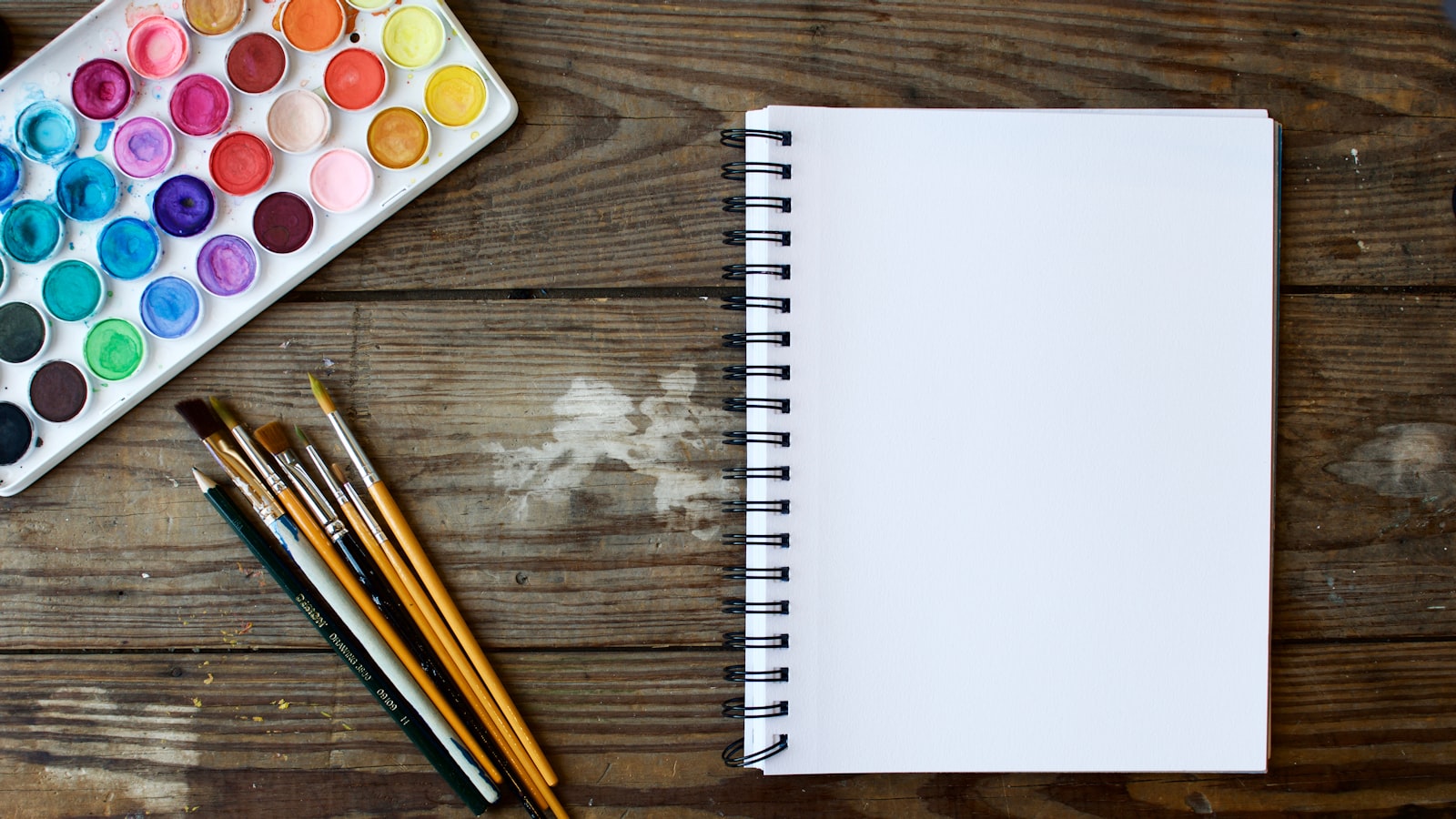
A craft station doesn't need a whole room or a big budget. It needs a corner, a few jars, and the simple promise that anytime your child feels like making something, the supplies are right there waiting. Let's build a little spot that invites creativity and makes cleanup almost painless.
Choosing the Right Spot#
Start by looking for a surface your child can actually reach while sitting comfortably. A low table, the end of the kitchen counter, or even a sturdy tray on the floor can all work. The goal is independence, so when supplies sit at kid height, children can start a project without waiting for help every time.
Pick a place that can take a little abuse. Crayon, glue, and paint will land where they please, so a washable tabletop beats a precious antique desk. If your only option is a nice surface, lay down a wipe-clean mat or an old vinyl tablecloth. Good light helps too, ideally near a window, because small hands do better work when they can see what they're doing.
Think about traffic flow as well. A station tucked into a busy doorway gets bumped and abandoned. A calm corner, within earshot of where you usually are, lets you keep a casual eye on things while you get on with your own tasks.
Sorting Supplies by Age#
What goes on the table depends entirely on who's using it, and this is where safety comes first. For toddlers and younger children, stick to chunky, non-toxic supplies that are too big to swallow: jumbo crayons, washable markers, thick paper, and child-safe glue sticks. Always check that labels say non-toxic and age-appropriate, and skip anything with small parts for this age group.
Keep everything with small parts, sharp edges, or strong fumes in a separate adult-only zone, and bring those items out only when you can sit and supervise closely.
For older kids, you can add safety scissors with rounded tips, beads, googly eyes, and glitter, but treat these as supervised supplies rather than free-for-all ones. A simple rule helps: open-access bins hold the safe everyday basics, and a higher shelf or a closed box holds anything that needs an adult nearby. That way your child enjoys real freedom with the safe stuff, and the riskier bits stay under your watch.
Whatever the age, run a quick scan of every new supply before it joins the station. Tiny magnets, button batteries, and small detachable pieces are choking and safety hazards and have no place within easy reach of young children.
Smart, Simple Storage#
Storage is the secret that keeps a craft station from becoming a junk pile. The trick is to make putting things away as easy as taking them out. Clear containers win here, because kids can see exactly what's inside without tipping everything onto the floor to find one marker.
Here are a few storage ideas that work well at home:
- Clear jars or cups for pens, crayons, and brushes, sorted by type
- Shallow bins or a cutlery tray for loose bits like stickers and buttons
- A flat drawer or folder for paper so it stays smooth and reachable
- A single labeled basket for "works in progress" that aren't finished yet
- A wall hook or pegboard for aprons and tape rolls to free up table space
Label everything, using pictures for pre-readers and words for older kids. A little crayon drawing on a "crayons" jar means a three-year-old can tidy up without asking which thing goes where. When children can read the system, they start running it themselves, and that's exactly what you want.
Making Cleanup Part of the Fun#
A station that's a nightmare to clean won't get used for long, so build cleanup right into the routine. Keep a roll of paper towels and a few damp cloths within arm's reach, plus a small bin for paper scraps. When a spill is no big deal to wipe, you'll feel a lot more relaxed about saying yes to the messy stuff.
Give cleanup a clear finish line. A "tidy-up basket" works wonders: at the end of a session, everything loose goes into the basket first, then gets sorted back into its proper jar. Turning it into a quick game, like beating a two-minute timer, makes the job feel light. Children who help pack away also learn that making and tidying are two halves of the same happy activity.
Protect clothes and the floor too. A smock or an old oversized shirt saves you from laundry battles, and a splat mat or newspaper under the table catches the worst of the drips. None of this needs to be fancy. A bit of cardboard and an old towel do the job just as well as anything bought.
Keeping It Fresh#
Once your station is up and running, a little upkeep keeps it inviting. Every week or two, take five minutes to top up paper, sharpen pencils, and toss dried-out markers. A station with crisp supplies feels exciting, while one full of broken crayons and empty glue sticks quietly gets ignored.
Rotate the contents now and then to spark new interest. Pack away the stickers for a while and bring out some yarn and paper plates instead. You don't need to buy anything new; just changing what's visible can make the whole corner feel brand new to a child who thought they'd seen it all.
Setting up a craft station is really about sending a small, daily message: your ideas matter, and you have everything you need to make them real. Start simple, watch how your child uses the space, and adjust as you go. Before long you'll have a little workshop that runs itself, sparks afternoons of quiet focus, and turns ordinary moments into something made by hand. Make it yourself, right there in your own happy corner.