Anúncios
🌍 Introduction: Rediscovering the Lost Art of Traditional Cooking
Modern kitchens are built around convenience. Electric ovens, induction cooktops, food processors, pressure cookers, and smart appliances have transformed cooking into a faster and more predictable experience. However, for most of human history, cooks relied on handcrafted tools and traditional methods that required patience, skill, and deep knowledge of natural resources.
Many of these obsolete cooking tools and methods have disappeared from everyday life, but their influence remains visible in modern cuisine. Ancient civilizations developed practical solutions using clay, stone, wood, iron, and natural fire to prepare meals that were both nutritious and flavorful. These forgotten techniques reveal an impressive level of ingenuity and craftsmanship that continues to inspire historians, archaeologists, and professional chefs.
As interest in heritage cooking grows, many traditional methods are being rediscovered. They remind us that innovation is not always about new technology—sometimes the greatest lessons come from the oldest kitchens.
🏕️ Cooking Before Permanent Kitchens
Long before houses included dedicated kitchens, cooking took place outdoors.
Early communities prepared meals around shared fires built in open spaces. Portable cooking equipment made from stone, wood, or clay allowed families to travel while carrying only essential tools.
These temporary cooking areas became important gathering places where food preparation, storytelling, and community life naturally came together.
Even today, outdoor cooking traditions such as camping, barbecue, and fire pit cooking preserve elements of these ancient practices.
🪵 Wooden Kitchen Tools That Lasted Generations
Wood was one of the most widely used materials in ancient kitchens.
Families crafted rolling pins, stirring spoons, mixing bowls, chopping boards, storage containers, and serving platters entirely from local trees.
Unlike modern plastic utensils, handcrafted wooden tools were biodegradable, repairable, and often lasted for decades.
Many were passed from one generation to the next, becoming valuable family heirlooms that carried both practical and emotional significance.
Today, artisan woodworkers continue producing traditional kitchen utensils inspired by these historic designs.
🧱 Brick Ovens and Community Baking
Before individual ovens became common, many towns relied on communal brick ovens.
Families prepared bread dough at home before bringing it to a shared baking facility operated by experienced bakers.
These large ovens retained heat for many hours, allowing multiple families to bake bread, pastries, and roasted dishes using a single fire.
Community ovens encouraged cooperation while reducing fuel consumption, making them remarkably efficient for their time.
Some historic villages still preserve these traditional baking practices during festivals.
🌽 Traditional Corn Processing Methods
Ancient civilizations throughout the Americas developed sophisticated techniques for preparing corn.
Stone grinding transformed dried kernels into flour.
Special soaking methods softened grain before cooking.
Handmade presses shaped dough into flatbreads.
These labor-intensive processes improved both texture and nutritional quality while allowing communities to create a remarkable variety of foods from a single crop.
Modern traditional cuisines continue preserving many of these historic techniques.
🔥 Slow Cooking With Residual Heat
Not every meal required an active fire.
Ancient cooks often removed pots from direct flames before allowing food to continue cooking using retained heat.
Clay vessels and thick metal pots preserved warmth for hours, making this technique especially effective for grains, legumes, soups, and stews.
This energy-efficient method reduced fuel consumption while producing tender, flavorful meals.
Today, insulated cooking methods follow similar principles developed centuries ago.
🪨 Primitive Baking Stones
Before metal baking trays became available, flat stones served as natural cooking surfaces.
Bread, flatbreads, and simple pastries baked directly on heated rock placed beside or above open fires.
The stone distributed heat evenly while creating crispy textures impossible to achieve using ordinary cookware.
Modern pizza stones and artisan baking surfaces continue using this same principle.
Ancient innovation remains surprisingly relevant inside contemporary kitchens.
🫙 Ceramic Food Storage Before Glass Containers
Proper food storage presented enormous challenges before refrigeration.
Ancient potters created ceramic jars designed to protect grains, oils, spices, dried fruit, and fermented foods from moisture and pests.
Many storage vessels featured narrow openings that minimized exposure to air while preserving valuable ingredients for months.
These containers became essential components of every household kitchen.
Archaeologists frequently discover remarkably well-preserved ceramic storage jars that continue revealing details about ancient diets.
🌬️ Air-Drying as a Natural Preservation Method
Long before food dehydrators existed, people relied upon moving air and sunlight.
Herbs were hung from ceilings.
Fruit dried on woven mats.
Fish cured near coastal breezes.
Vegetables dehydrated beneath protective shelters.
Air-drying preserved valuable nutrients while dramatically extending shelf life.
Many traditional foods enjoyed today—including dried herbs, fruit, and cured meats—trace their origins to these simple yet highly effective techniques.
🍖 Cooking With Hanging Baskets
Some ancient cultures prepared food using woven baskets suspended above gentle heat.
Rather than exposing ingredients directly to flames, baskets allowed warm air to circulate evenly.
This method worked especially well for drying herbs, gently smoking fish, or slowly cooking delicate foods.
Natural fibers insulated ingredients while preventing scorching.
Although rarely seen today, this technique demonstrates remarkable creativity using locally available materials.
⚒️ Iron Cookware Before Modern Manufacturing
As metalworking improved, iron gradually transformed traditional cooking.
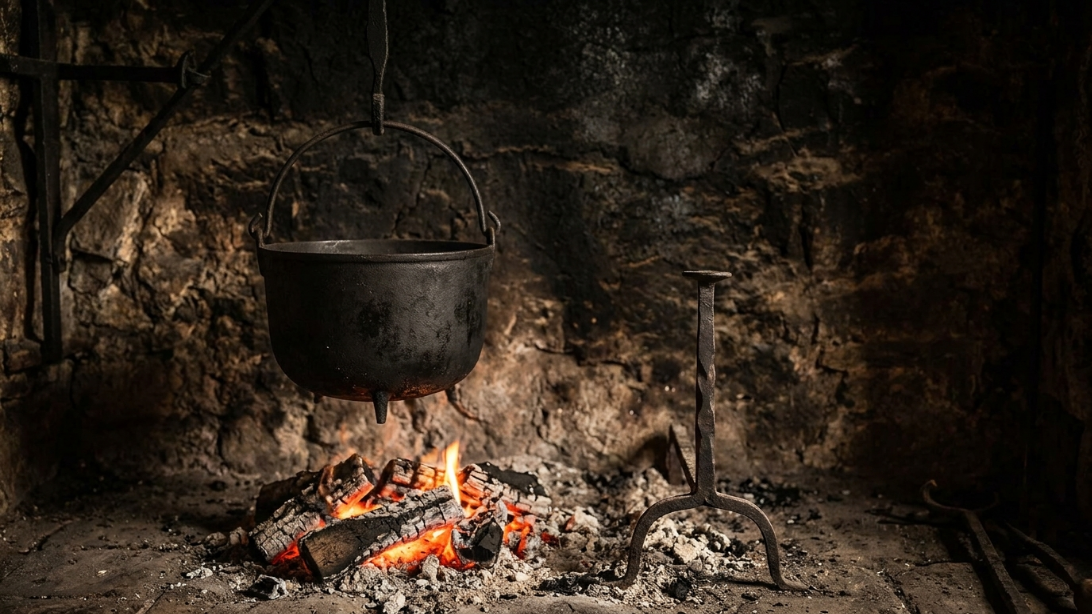
Heavy iron cauldrons retained heat exceptionally well and became ideal for soups, stews, and roasting.
Blacksmiths handcrafted each piece individually, making cookware valuable enough to remain within families for generations.
Unlike disposable modern cookware, these durable pieces often improved with age through continuous use.
Cast iron remains one of the few traditional materials still widely appreciated by professional chefs.
🍃 Natural Wrapping Techniques Instead of Cookware
Not every recipe required pots or pans.
Large leaves protected ingredients while steaming or roasting over hot stones.
Banana leaves, grape leaves, corn husks, and other natural materials sealed moisture inside food while adding subtle flavors.
These biodegradable wrappers eliminated waste while creating unique cooking environments impossible to duplicate using synthetic materials.
Many traditional cuisines continue embracing this environmentally friendly practice.
🌍 Regional Tools Shaped Local Cuisine
Cooking equipment evolved according to geography.
Mountain communities developed heavy stone cookware.
Forest regions relied on carved wood.
River civilizations perfected ceramic pottery.
Coastal societies specialized in fish-smoking equipment.
Desert cultures created portable cooking tools suitable for travel.
The natural resources available in each environment directly influenced culinary traditions that eventually became regional identities.
🌱 Forgotten Methods Inspire Sustainable Kitchens
Many obsolete cooking methods align surprisingly well with today’s sustainability movement.
Natural materials replaced plastics.
Reusable cookware minimized waste.
Seasonal ingredients reduced transportation.
Preservation techniques prevented food spoilage.
Wood-fired community ovens saved fuel.
Modern environmental awareness increasingly highlights the wisdom of these historical practices.
Ancient kitchens often achieved remarkable efficiency without relying upon advanced technology.
📖 Why Traditional Cooking Knowledge Deserves Preservation
Every obsolete kitchen tool tells part of humanity’s story.
Grinding stones reveal agricultural development.
Clay pots demonstrate early engineering.
Brick ovens illustrate community cooperation.
Wooden utensils preserve craftsmanship.
Traditional preservation methods reflect remarkable problem-solving abilities.
Together, these forgotten tools provide valuable insight into the daily lives of civilizations that shaped culinary history.
Protecting this knowledge helps future generations understand how innovation developed long before electricity entered the kitchen.
✨ Conclusion: The Lasting Influence of Obsolete Cooking Tools and Methods
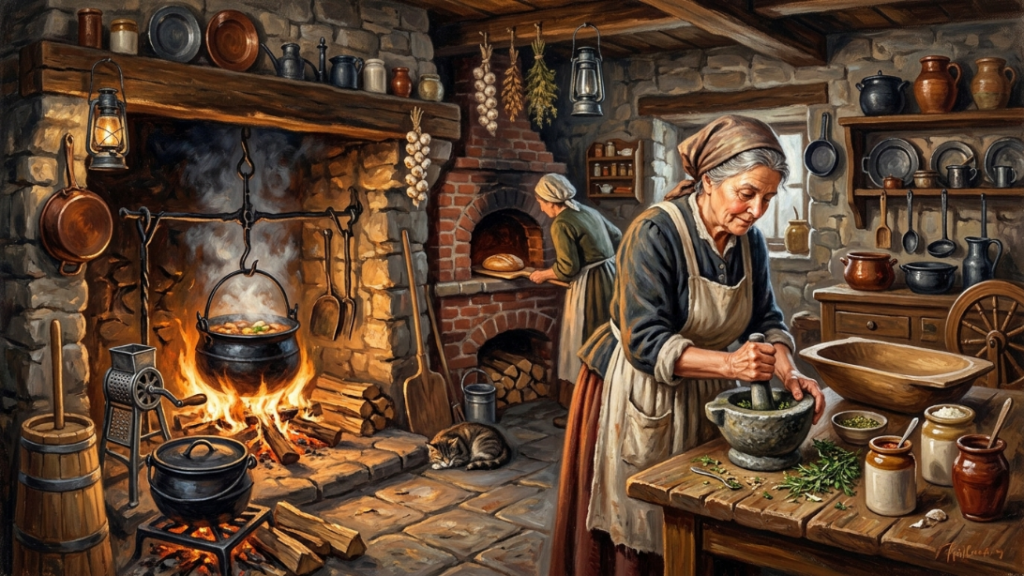
The story of obsolete cooking tools and methods is ultimately a story of human creativity. Ancient cooks transformed simple materials like wood, clay, stone, iron, and fire into practical solutions that supported entire civilizations. Their techniques allowed families to preserve food, prepare nourishing meals, and pass valuable knowledge from one generation to the next.
Although modern technology has replaced many traditional tools, their influence remains visible in artisan baking, cast-iron cooking, wood-fired ovens, natural food preservation, and handcrafted kitchen equipment. Around the world, chefs and culinary historians continue rediscovering these forgotten methods because they offer unique flavors, sustainable practices, and a deeper appreciation for culinary heritage.
As we continue exploring the kitchens of the past, we discover that many so-called obsolete tools still hold valuable lessons for the future. They remind us that great cooking depends not only on technology but also on patience, craftsmanship, respect for natural ingredients, and the timeless desire to bring people together around a shared meal. 🌍🍳🔥