Anúncios
🌍 Introduction: Exploring the Hidden History of Ancient Kitchens
Long before electric ovens, stainless steel cookware, and modern kitchen appliances became part of everyday life, ancient civilizations developed remarkably efficient ways to prepare food. Using simple materials found in nature, they created cooking tools and techniques that sustained communities for thousands of years while laying the foundation for many culinary traditions that still exist today.
These ancient kitchen innovations may seem primitive compared to modern technology, but they demonstrate extraordinary creativity and practical knowledge. From handcrafted pottery and wood-fired ovens to stone grinders and natural preservation methods, obsolete cooking tools helped shape the history of food across every continent.
Today, archaeologists, food historians, and professional chefs continue studying these forgotten kitchen practices. Many traditional methods are experiencing a revival because they produce unique flavors, encourage sustainable cooking, and preserve important cultural heritage.
🪨 Natural Materials Built the First Kitchens
The earliest kitchens relied entirely on materials gathered from the surrounding environment.
Stone became cooking surfaces.
Clay formed pots and storage vessels.
Wood supplied utensils and fuel.
Animal bones served as carving tools.
Plant fibers created baskets for carrying and storing ingredients.
These natural materials were durable, renewable, and perfectly suited to local climates, allowing ancient communities to build functional kitchens with minimal environmental impact.
🔥 Fire Management Was a Skilled Craft
Building a fire was only the beginning.
Ancient cooks developed remarkable techniques for controlling heat without modern equipment.
Different types of wood produced varying temperatures.
Hot coals provided gentle heat for slow cooking.
Open flames roasted meat quickly.
Ash-covered embers baked root vegetables evenly.
Understanding fire became one of the most valuable culinary skills passed from one generation to the next.
Mastering heat meant mastering the art of cooking.
🏺 Cooking Pots Designed for Different Foods
Not all clay pots served the same purpose.
Wide vessels worked well for soups.
Tall pots retained moisture during slow cooking.
Shallow pans baked flatbreads.
Small containers prepared sauces and herbal infusions.
Ancient potters designed cookware specifically for regional recipes, demonstrating a sophisticated understanding of both materials and cooking techniques.
Many modern cookware designs continue following these same principles.
🌾 Ancient Grain Preparation Before Milling Machines
Preparing grain required multiple careful steps.
Farmers dried harvested cereals beneath the sun.
Workers separated edible kernels by hand.
Stone grinders produced flour.
Large woven sieves removed coarse particles.
Fresh flour was often used immediately because ancient communities valued its superior flavor and nutritional quality.
Although labor-intensive, these methods created wholesome ingredients free from industrial processing.
🌬️ Wind and Sun as Essential Cooking Partners
Nature played an active role in food preparation.
Warm sunlight dried fruits, herbs, and vegetables.
Steady breezes preserved fish and meat.
Natural airflow cooled storage rooms.
These environmental conditions became essential tools long before mechanical equipment existed.
Ancient cooks carefully observed weather patterns because successful preservation often depended upon favorable climate conditions.
🍃 Leaf Wrapping Before Metal Foil
Long before aluminum foil appeared, cooks wrapped food using natural leaves.
Banana leaves protected fish.
Corn husks enclosed dough.
Grape leaves surrounded rice mixtures.
Lotus leaves preserved delicate flavors during steaming.
These biodegradable wrappers locked in moisture while infusing dishes with subtle aromas unavailable through modern packaging.
Many traditional cuisines continue using these techniques today.
⚒️ Blacksmiths Helped Transform Cooking
As civilizations advanced, skilled blacksmiths revolutionized kitchen equipment.
Iron knives improved food preparation.
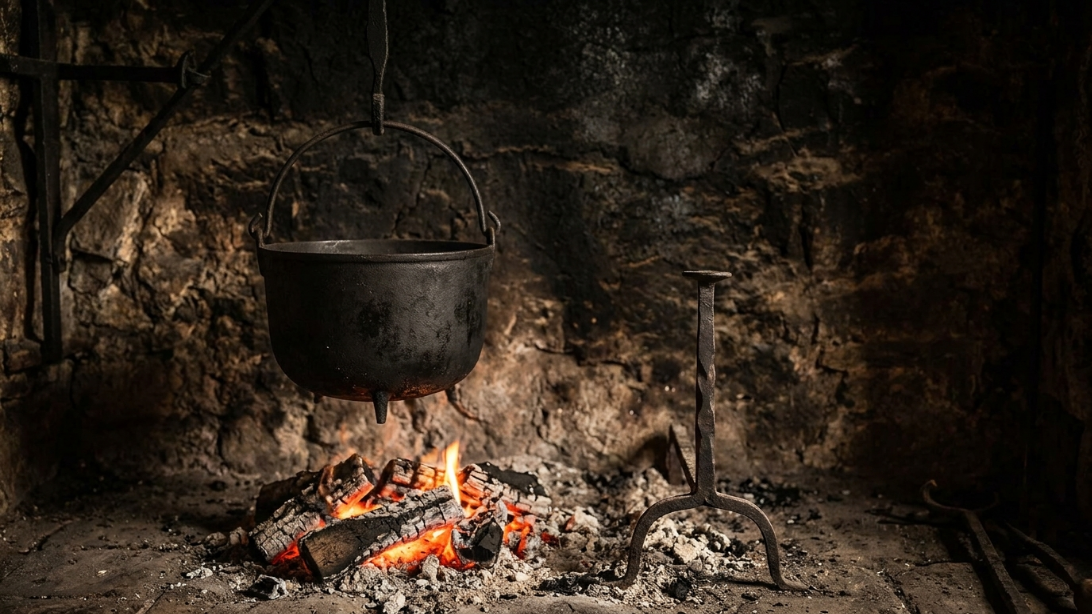
Hooks suspended cooking pots.
Tripods stabilized heavy vessels.
Metal grills expanded roasting possibilities.
Although expensive, handcrafted iron tools dramatically increased kitchen efficiency while lasting for generations.
Many historical cooking implements discovered by archaeologists still remain remarkably well preserved.
🧺 Baskets Were More Than Storage
Woven baskets served many unexpected culinary purposes.
They carried harvested crops.
Stored dried ingredients.
Protected bread during transportation.
Supported food drying.
Even strained liquids in certain traditional cooking methods.
Crafted from reeds, grasses, or tree bark, baskets represented versatile tools that every household depended upon.
🥩 Traditional Meat Preparation Without Refrigeration
Fresh meat required immediate attention.
Ancient communities developed careful butchering techniques followed by smoking, drying, salting, or slow cooking.
Every part of the animal was utilized whenever possible.
Bones flavored soups.
Fat preserved food.
Organs supplied valuable nutrients.
This resourceful approach minimized waste while maximizing available nutrition.
Modern sustainable cooking increasingly embraces these traditional principles.
🌍 Regional Cooking Styles Created Diverse Kitchens
Different environments inspired different cooking technologies.
Arctic communities emphasized preserved foods.
Desert cultures mastered portable cookware.
Mountain villages relied on stone ovens.
Rainforest societies specialized in steaming using leaves.
Coastal civilizations perfected seafood smoking techniques.
Each region adapted its kitchen tools according to available natural resources and climate conditions.
🍞 Baking Before Modern Bread Pans
Early bread rarely resembled today’s loaves.
Flatbreads baked directly on hot stones.
Round loaves cooked inside clay ovens.
Ash cakes baked beneath glowing embers.
Simple dough required minimal ingredients while providing reliable nutrition.
Ancient bakers developed countless regional variations that eventually evolved into many modern bread traditions.
🌱 Forgotten Preservation Methods Worth Rediscovering
Many historical preservation techniques required no electricity.
Fermentation naturally extended shelf life.
Drying reduced moisture.
Smoking protected against spoilage.
Root cellars maintained cool temperatures.
Oil sealed delicate ingredients.
These sustainable methods consumed little energy while preserving food effectively for extended periods.
Today, many home cooks are rediscovering these traditional preservation skills.
👨🍳 Ancient Kitchens Inspired Modern Professional Chefs
Professional chefs increasingly appreciate historical cooking methods.
Wood-fired ovens produce artisan bread.
Clay cookware enhances slow-cooked dishes.
Stone grinding preserves flour quality.
Natural fermentation creates complex flavors.
Traditional smoking techniques improve meats and cheeses.
Rather than replacing modern equipment entirely, these historical practices complement contemporary culinary innovation.
📚 Protecting Culinary Heritage Through Education
Museums, universities, and cultural organizations actively preserve traditional cooking knowledge.
Historical demonstrations recreate ancient recipes.
Archaeological research uncovers forgotten tools.
Cooking workshops teach traditional methods.
Documentaries introduce global audiences to disappearing culinary practices.
These educational efforts ensure that valuable knowledge continues inspiring future generations.
✨ Conclusion: Why Ancient Kitchen Innovations Still Matter
The history of ancient kitchen innovations reminds us that remarkable meals have never depended solely on advanced technology. Long before modern appliances existed, civilizations developed practical cooking tools using stone, clay, wood, iron, and natural fire. Their creativity transformed simple materials into highly effective kitchen equipment capable of producing flavorful, nutritious, and memorable meals.
Although many obsolete cooking tools have disappeared from everyday households, their influence remains deeply embedded in contemporary cuisine. Artisan bakers, traditional chefs, culinary historians, and sustainability advocates continue embracing ancient techniques because they offer authenticity, durability, and environmental responsibility.
By preserving these forgotten cooking methods, we celebrate more than culinary history—we recognize the ingenuity, resilience, and craftsmanship of countless generations who built the foundations of the kitchens we know today. Every handcrafted tool and every traditional technique tells a story of innovation that continues inspiring cooks around the world, proving that some of the greatest culinary ideas are truly timeless. 🌍🍳🏺