Anúncios
🌍 Introduction: Why Ancient Cooking Tools Still Fascinate Us
Modern kitchens are filled with electric appliances, digital thermometers, non-stick cookware, and smart technology that make cooking faster and more convenient than ever before. Yet, for thousands of years, civilizations prepared extraordinary meals without electricity, stainless steel, or modern equipment. Instead, they relied on ingenious cooking tools and traditional methods that were perfectly adapted to their environments.
Many of these obsolete cooking tools and methods have disappeared from everyday use, replaced by modern innovations. However, they remain an essential part of culinary history. Archaeologists, historians, and professional chefs continue studying these forgotten techniques because they reveal how ancient cultures solved practical problems while creating remarkable flavors.
Exploring obsolete cooking tools offers more than historical curiosity. It highlights human creativity, sustainability, and craftsmanship while showing how traditional cooking methods influenced many modern culinary practices. Some forgotten techniques are even making a comeback as chefs seek authentic flavors and environmentally friendly cooking methods.
🪨 Stone Cooking Tools: Humanity’s First Kitchen Equipment
Long before metal cookware existed, stone served as one of humanity’s most reliable cooking materials.
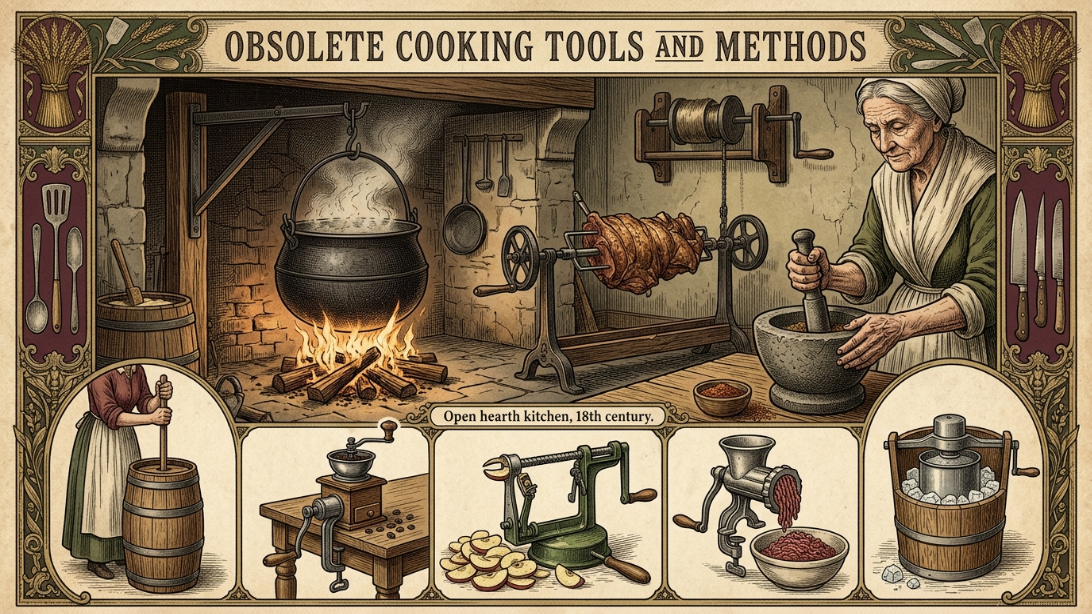
Ancient civilizations carved grinding stones, mortars, pestles, and flat cooking surfaces from durable rock. These tools allowed people to crush grains into flour, prepare herbs, grind spices, and process seeds for ceremonial and everyday meals.
Heated stones were also placed directly into containers filled with water to cook soups and stews before fireproof pottery became common.
Many Indigenous cultures around the world continued using stone cooking tools for centuries because of their remarkable durability and effectiveness.
Even today, traditional stone mortars remain popular in many kitchens because they preserve flavors more naturally than electric grinders.
🔥 Open Hearth Cooking Before Modern Stoves
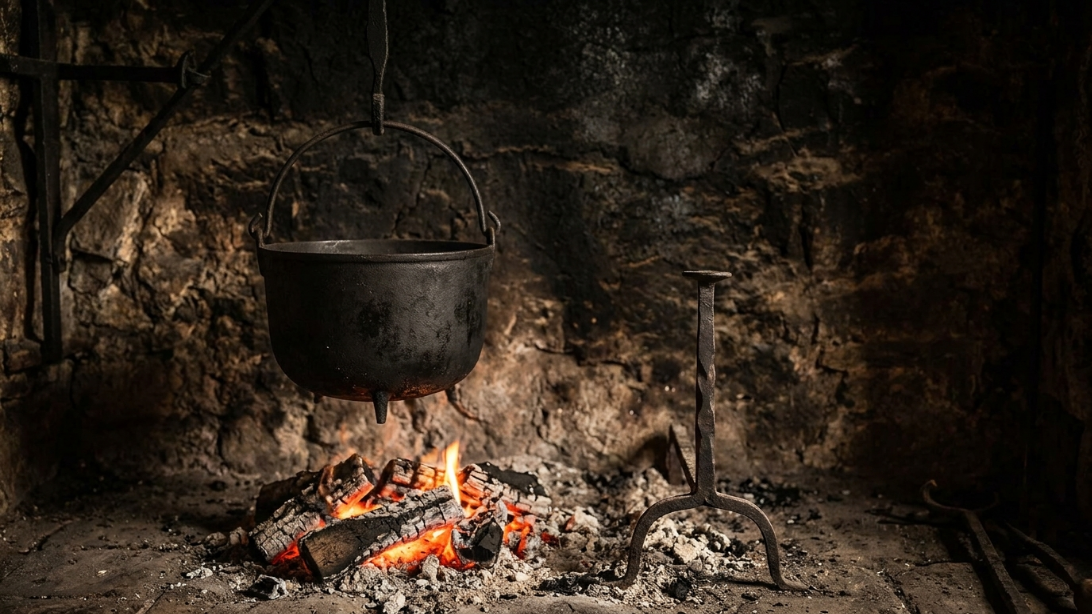
For thousands of years, the open hearth served as the center of every household.
Families gathered around a central fire where nearly every meal was prepared. Cooking over an open flame required patience, skill, and careful control of heat using different arrangements of wood and charcoal.
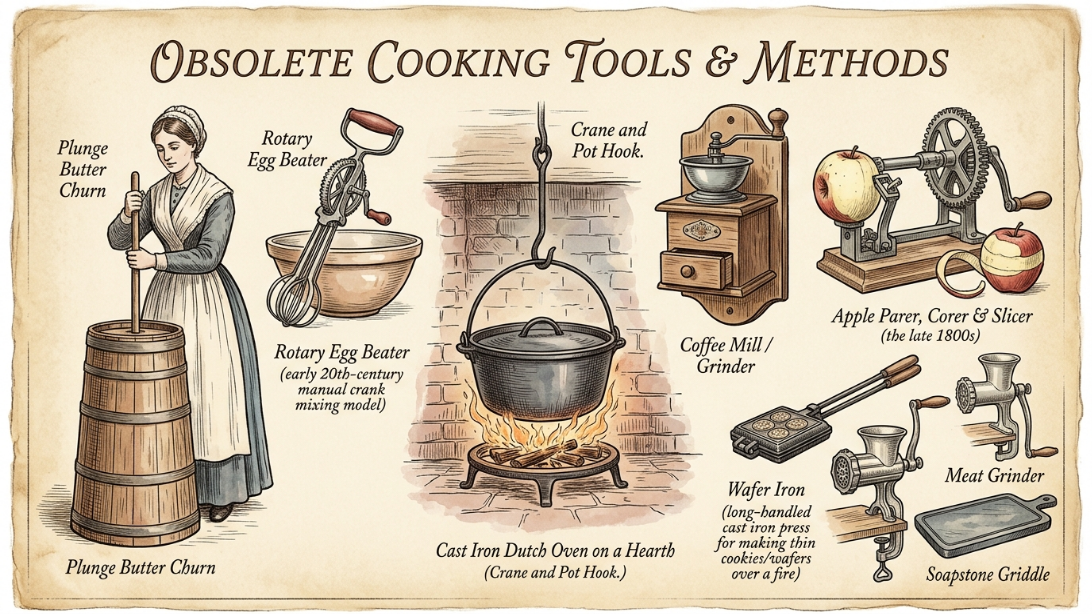
Large pots hung above the fire using iron hooks or wooden supports.
Flat stones surrounded the flames to create different cooking temperatures.
Although modern stoves offer greater precision, many chefs believe open-fire cooking produces richer aromas and deeper flavors impossible to replicate with conventional appliances.
Outdoor cooking traditions today still reflect these ancient methods.
🏺 Clay Pots That Revolutionized Ancient Cooking
Among history’s greatest culinary innovations were clay cooking vessels.
Clay pots distributed heat slowly and evenly, making them ideal for soups, grains, legumes, and slow-cooked meats.
Unlike metal cookware, clay retained moisture exceptionally well, producing tender and flavorful meals with minimal ingredients.
Ancient civilizations across Africa, Asia, Europe, and the Americas developed unique pottery styles specifically designed for local cooking traditions.
Today, traditional clay cookware continues to be appreciated for its ability to enhance both texture and flavor naturally.
🌾 Hand Mills and Grain Grinding
Before industrial flour production, every household processed grain manually.
Stone querns, rotary mills, and hand-operated grinders transformed wheat, barley, corn, millet, and other cereals into fresh flour.
Grinding grain required considerable physical effort but ensured maximum freshness and nutritional value.
The daily rhythm of milling became an important household activity that connected families directly with their food.
Although electric mills have replaced most traditional methods, artisan bakers increasingly value freshly milled flour for its superior flavor and texture.
🌿 Wooden Cooking Utensils and Natural Materials
Ancient kitchens relied heavily on handcrafted wooden tools.
🥄 Wooden spoons stirred soups.
🪵 Wooden bowls served communal meals.
🌳 Carved ladles transferred liquids.
🍃 Large leaves wrapped food before steaming.
Natural materials remained abundant, biodegradable, and surprisingly durable.
Unlike many modern synthetic materials, traditional wooden utensils rarely reacted with acidic foods or altered delicate flavors.
Many handcrafted wooden kitchen tools remain popular because of their timeless practicality.
🌋 Earth Ovens: Underground Cooking Methods
One of history’s most fascinating obsolete cooking methods involved underground earth ovens.
Communities dug large pits, filled them with heated stones, covered food using leaves or cloth, and sealed everything beneath layers of soil.
The trapped heat slowly roasted meat, vegetables, and grains over many hours.
This technique required almost no supervision while producing incredibly tender meals infused with natural aromas.
Earth ovens continue surviving in certain Indigenous cultures and traditional celebrations because of their unique cooking qualities.
🐟 Smoking and Drying Before Refrigeration
Long before refrigerators existed, preserving food required remarkable ingenuity.
Smoking fish, meat, and vegetables over slow-burning wood extended shelf life while adding distinctive flavors.
Drying fruits, herbs, grains, and mushrooms beneath the sun prevented spoilage during difficult seasons.
These preservation methods became essential for trade, travel, and survival.
Modern smoked foods continue reflecting techniques first developed thousands of years ago.
🍶 Fermentation as an Ancient Preservation Technique
Fermentation ranks among humanity’s oldest food technologies.
Ancient civilizations naturally preserved vegetables, grains, dairy products, and beverages through controlled fermentation.
This process not only extended storage life but also enhanced flavor and nutritional value.
Traditional fermented foods became staples in countless cultures because they remained safe to consume long before refrigeration existed.
Today, fermented foods have regained popularity because of their health benefits and complex flavors.
🪢 Hanging Pot Systems and Adjustable Cooking
Many ancient kitchens featured suspended cooking systems.
Large pots hung from adjustable chains or wooden poles positioned above open fires.
By raising or lowering the vessel, cooks controlled cooking temperature without extinguishing the flames.
This surprisingly effective technique allowed simmering, boiling, or slow cooking using simple equipment.
It remained common throughout Europe, Asia, and parts of Africa until enclosed stoves gradually replaced open hearths.
🍖 Rotisserie Cooking Before Mechanical Equipment
Long before electric rotisseries appeared, people roasted meat using hand-turned spits.
Large cuts of meat rotated continuously above glowing embers to ensure even cooking.
This method required patience and constant attention but produced crispy exteriors while preserving natural juices inside.
Royal kitchens often assigned dedicated workers solely responsible for turning roasting spits during elaborate banquets.
Modern barbecue traditions still preserve elements of this ancient cooking technique.
🧂 Traditional Salt Preservation Methods
Salt represented one of history’s most valuable culinary resources.
Ancient communities packed meat, fish, and vegetables inside thick layers of salt to prevent bacterial growth.
Entire trade routes developed around transporting salt to regions lacking natural deposits.
Without salt preservation, long-distance travel and military campaigns would have faced enormous challenges.
Although refrigeration has reduced its importance, salt curing remains highly respected in artisan food production.
🔨 Obsolete Kitchen Tools Rediscovered by Modern Chefs
Many forgotten cooking tools are returning to professional kitchens.
Stone mills produce fresher flour.
Clay pots enhance slow cooking.
Wood-fired ovens create exceptional bread.
Mortars preserve spice aromas.
Cast-iron cookware retains heat efficiently.
Professional chefs increasingly appreciate traditional equipment because it produces authentic flavors difficult to achieve using modern technology alone.
These rediscovered techniques demonstrate that innovation sometimes means revisiting the past.
🌱 Sustainability Lessons from Ancient Cooking Methods
Many obsolete cooking methods were remarkably sustainable.
Local materials reduced transportation.
Natural fuels minimized waste.
Reusable cookware lasted generations.
Food preservation reduced spoilage.
Seasonal ingredients limited environmental impact.
Ancient kitchens operated efficiently using resources available within their immediate surroundings.
Modern sustainability movements increasingly recognize the value of these traditional practices.
📚 Why Preserving Traditional Cooking Knowledge Matters
Historical cooking techniques provide valuable insight into everyday life throughout human history.
They reveal agricultural practices.
Trade networks.
Family traditions.
Regional ingredients.
Technological innovation.
Cultural identity.
Museums, archaeologists, culinary historians, and Indigenous communities continue documenting obsolete cooking tools before this knowledge disappears forever.
Their work ensures future generations can appreciate the remarkable ingenuity behind ancient kitchens.
✨ Conclusion: The Enduring Legacy of Forgotten Cooking Methods
The history of obsolete cooking tools and methods demonstrates that extraordinary cuisine does not depend upon advanced technology. For thousands of years, civilizations created nourishing, flavorful, and meaningful meals using simple materials, practical knowledge, and remarkable creativity.
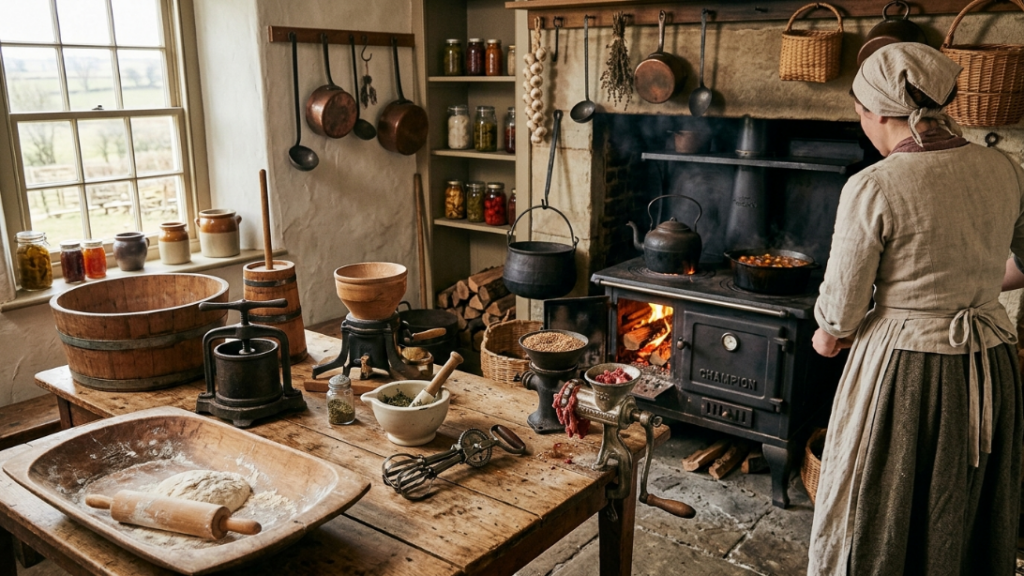
Stone grinders, clay pots, earth ovens, smoking techniques, fermentation, wooden utensils, and open hearth cooking laid the foundations of culinary traditions that continue inspiring chefs around the world. Although many of these tools have disappeared from everyday kitchens, their influence remains visible in artisan baking, traditional barbecue, slow cooking, and sustainable food practices.
As interest in culinary history continues growing, forgotten cooking methods are receiving the recognition they deserve. They remind us that some of the greatest innovations in food preparation were created long before electricity or modern appliances existed.
Ultimately, preserving these ancient techniques is about more than nostalgia. It is about honoring human ingenuity, protecting cultural heritage, and recognizing that the wisdom of the past still has much to teach today’s kitchens. 🌍🍽️🔥