Anúncios
The Mystery Behind Forgotten Feast Festivals
Throughout human history, food has been one of the strongest ways people expressed culture, faith, identity, and celebration. Long before modern restaurants, food delivery apps, and global holiday trends, communities gathered for powerful seasonal meals known today as Forgotten Feast Festivals.
These festivals were more than simple banquets. They were cultural events filled with traditional recipes, music, prayers, dances, family rituals, and symbolic dishes. Some honored the harvest. Others celebrated the changing seasons, local legends, religious devotion, victory, survival, or remembrance of ancestors.
Over time, many of these feasts disappeared. Some were forgotten because communities moved away. Others faded because younger generations stopped practicing them. A few were replaced by modern holidays or commercial celebrations. Still, their stories remain hidden in old cookbooks, family memories, local folklore, and regional traditions.
Today, forgotten feast festivals are becoming fascinating again because people want more than entertainment. They want meaning, roots, and authentic cultural experiences. 🌍
Why Forgotten Feast Festivals Are Important for Culture
Forgotten feast festivals help us understand how people lived before modern life changed everything. Through food, we can learn about climate, agriculture, religion, family structure, and local identity.
A single traditional dish can reveal a lot. It can show what ingredients were available, what people valued, how families worked together, and what beliefs shaped the community. In many places, recipes were never written down. They were taught by watching, tasting, and helping in the kitchen.
These festivals also created unity. Everyone had a role. Farmers brought ingredients. Families prepared food. Elders told stories. Musicians played songs. Children learned the meaning of the celebration by participating.
When a feast festival disappears, the loss is bigger than one meal. A community can lose songs, gestures, recipes, prayers, decorations, and memories. That is why rediscovering these celebrations matters. They are not just about the past; they help people understand who they are. 🕯️
Ancient Food Rituals and Their Hidden Meanings
Many ancient food rituals were symbolic. People did not choose dishes only for taste. Every ingredient could carry a message.
Grains often represented abundance and survival. Bread symbolized life, sharing, and prosperity. Honey was connected to sweetness, blessing, and good fortune. Fruits represented fertility, renewal, and the cycle of nature. Herbs were sometimes used for protection, healing, or spiritual cleansing.
In some forgotten feast festivals, the first plate was not served to a guest. It was offered symbolically to ancestors, saints, spirits, or nature. This act showed gratitude and respect for forces believed to protect the community.
Other rituals included lighting candles, decorating tables, wearing special clothing, singing before meals, or walking together through the village before the feast began. These actions transformed ordinary food into something sacred and memorable. ✨
Traditional Feast Foods That Connected Generations
One of the most beautiful parts of forgotten feast festivals is the way food connected generations. Recipes were often passed from grandparents to parents, then from parents to children.
Many festival dishes required teamwork. One person kneaded dough, another prepared spices, another cleaned vegetables, and another watched the fire. Cooking became a family activity, not just a task.
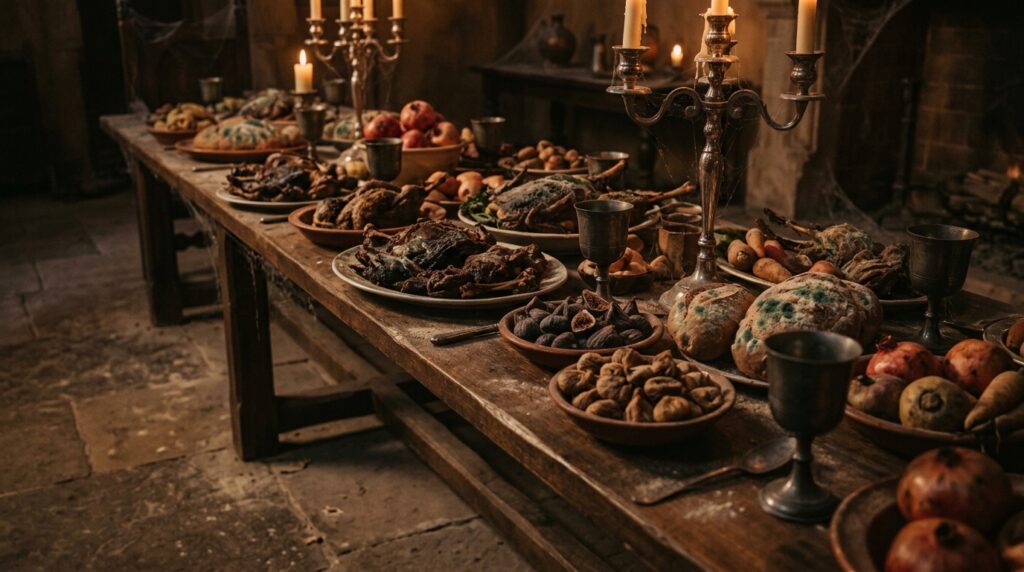
Traditional feast foods often included handmade bread, roasted meats, rice dishes, soups, seasonal vegetables, dried fruits, cakes, fermented drinks, and sweets prepared only for special occasions. In coastal areas, fish and seafood were common. In mountain regions, warm stews, preserved foods, and hearty breads were more popular.
Because these dishes were made only once or twice a year, they became emotionally powerful. The smell of one recipe could remind people of childhood, home, relatives, and celebrations that no longer exist. 🍞🍲
How Forgotten Feast Festivals Were Lost Over Time
There are many reasons why these festivals disappeared. One of the biggest reasons was migration. When people moved from villages to cities, they often lost access to the same ingredients, spaces, and community networks.
Modern work life also changed traditions. Many feast festivals lasted several days, but modern routines made long celebrations difficult. People had less time to prepare complex recipes or organize community gatherings.
Globalization had another impact. International holidays, commercial events, and social media trends became more visible than local celebrations. Younger generations often saw old traditions as outdated or unnecessary.
In some places, wars, political changes, religious shifts, or economic struggles interrupted traditions. Once a festival stopped being celebrated for several years, it became harder to bring it back.
But forgotten does not always mean gone forever. Many traditions can return when people choose to research, document, and celebrate them again. 🌾
Forgotten Feast Festivals and Food Tourism
In recent years, food tourism has helped bring attention back to old traditions. Travelers are increasingly interested in authentic local experiences. They want to taste regional dishes, meet local communities, and discover stories that are not found in regular tourist guides.
Forgotten feast festivals can become powerful attractions when revived respectfully. A small village, town, or cultural group can organize a festival around old recipes, traditional music, handmade crafts, and local history.
These events can support local economies while protecting cultural heritage. Farmers, cooks, artisans, musicians, and storytellers can all participate.
However, it is important to avoid turning these festivals into empty commercial events. The heart of a forgotten feast festival is not only selling food. It is preserving meaning, memory, and cultural identity. 🌎🍽️
How Communities Can Bring Lost Feast Traditions Back
Reviving forgotten feast festivals starts with listening. Elders are often the most valuable source of information. They may remember old songs, recipes, decorations, prayers, and stories.
Communities can collect memories through interviews, family photos, handwritten recipes, local archives, and old newspapers. Schools and cultural centers can help by creating projects about regional food history.
After that, small events can be organized. A revived festival might include a shared meal, cooking workshops, storytelling, traditional music, folk dancing, and exhibitions about the history of the feast.
The goal should be to make the celebration meaningful for both older and younger generations. Children and teenagers can participate by learning recipes, recording videos, helping decorate, or interviewing relatives.
A festival survives when people feel connected to it. ❤️
The Emotional Power of Shared Meals
Shared meals have a special emotional power. Sitting together around a table can create trust, memory, and belonging. This is one reason feast festivals were so important.
In many cultures, eating together meant more than friendship. It represented peace, unity, gratitude, and respect. A community meal could heal disagreements, celebrate survival, or welcome a new season.
Forgotten feast festivals remind us that food is not only physical nourishment. It can also feed identity, memory, and connection.
In a fast digital world, these traditions offer something rare: a reason to slow down, gather, listen, and remember.
The Future of Forgotten Feast Festivals
The future of forgotten feast festivals depends on curiosity and preservation. If communities document their traditions now, they can protect them for future generations.
Digital tools can help. Videos, blogs, online archives, podcasts, and social media pages can record recipes and stories before they disappear. WordPress blogs, for example, can become valuable spaces to share cultural food history, festival guides, and traditional recipes.
Forgotten feast festivals may seem like small pieces of history, but they carry deep meaning. They show how people celebrated life, honored nature, remembered ancestors, and built community through food.
Bringing these festivals back is not just nostalgia. It is cultural recovery.
Every forgotten dish, every old song, and every revived feast is a reminder that tradition can return when people choose to remember. 🍽️✨