Anúncios
🌍 Introduction: Why Every Ritual Meal Tells a Story
For thousands of years, food has been one of the strongest expressions of human culture. While meals satisfy physical hunger, ritual foods nourish something equally important: identity, memory, spirituality, and community. Across civilizations, ceremonial dishes have marked life’s greatest moments, including births, marriages, harvests, religious festivals, victories, and memorial ceremonies.
The fascinating concept of culinary symbolism in rituals reveals that every ingredient chosen for a sacred meal carried intention. Colors, aromas, textures, preparation methods, and even the order in which foods were served reflected values passed from generation to generation.
Although societies have changed dramatically over time, symbolic foods continue playing essential roles in modern traditions. From family dinners to religious holidays, ritual cuisine remains one of humanity’s most enduring cultural expressions.
🌱 The Relationship Between Food and Human Identity
Food has always helped define who people are.
Every civilization developed recipes that reflected local geography, climate, agriculture, and spiritual beliefs. Over time, these recipes became powerful symbols of cultural identity.
Preparing traditional ceremonial dishes allowed communities to preserve their heritage while distinguishing themselves from neighboring societies.
Even today, many people immediately associate specific foods with their homeland, family traditions, or religious background.
This emotional connection explains why ceremonial recipes are often protected with extraordinary care.
🍂 Seasonal Changes Inspired Symbolic Meals
Ancient people closely observed the changing seasons.
Spring represented new beginnings.
Summer celebrated growth.
Autumn symbolized abundance.
Winter reflected resilience and hope.
Each season inspired unique ceremonial meals prepared with ingredients harvested during that particular time of year.
These seasonal traditions reminded communities that life followed natural cycles and that prosperity depended upon respecting the environment.
Many modern festivals continue honoring these same seasonal rhythms through traditional recipes.
🪔 Sacred Oils and Their Ritual Importance
Long before cooking oils became everyday ingredients, they held deep symbolic value.
🫒 Olive oil represented peace, wisdom, and divine blessing.
🌻 Seed oils reflected agricultural abundance.
🥥 Coconut oil symbolized purity in tropical cultures.
Many religious ceremonies included oil not only in food preparation but also during blessings, offerings, and sacred celebrations.
Its smooth texture and nourishing qualities made oil an enduring symbol of life and prosperity.
🍠 Root Vegetables as Symbols of Stability
Root vegetables frequently appeared in ritual cuisine because they grew beneath the earth.
This connection with the soil led many civilizations to associate them with stability, endurance, humility, and survival.
Potatoes, yams, carrots, beets, and turnips became common ceremonial ingredients during harvest celebrations.
Communities viewed these crops as reminders that strong foundations supported future growth.
Their ability to remain stored for long periods also represented preparation and resilience.
🍄 Wild Foods in Ancient Ceremonies
Many ritual meals included ingredients gathered directly from nature.
Wild berries.
Forest mushrooms.
Edible flowers.
Medicinal herbs.
Tree nuts.
These natural foods reflected humanity’s close relationship with forests, mountains, rivers, and grasslands.
Gathering ingredients often became a ceremonial activity itself, emphasizing gratitude toward nature before any cooking began.
🎨 Color Symbolism in Traditional Cuisine
Color has always influenced ceremonial food traditions.
❤️ Red represented strength, celebration, and vitality.
💛 Gold symbolized wealth and divine favor.
💚 Green reflected growth and renewal.
🤍 White represented peace and spiritual purity.
💜 Purple occasionally symbolized royalty and honor.
Ancient cooks deliberately selected colorful ingredients to reinforce the meaning behind important celebrations.
This artistic approach transformed meals into visual expressions of cultural values.
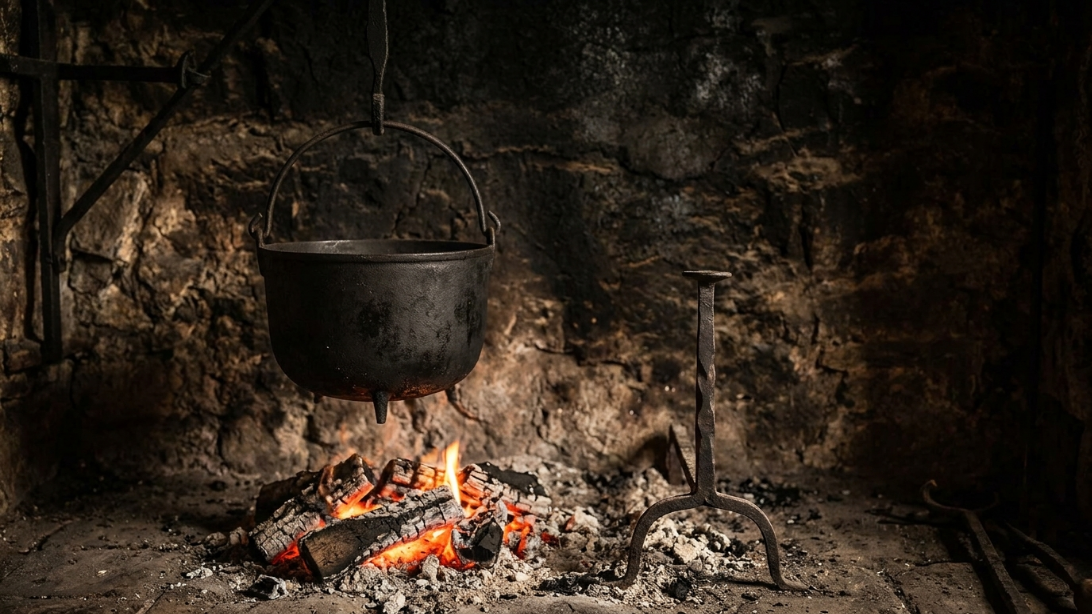
🪵 Traditional Cooking Fires Created Community
Cooking over open fires brought people together long before modern kitchens existed.
Families gathered around flames while preparing ceremonial dishes.
Stories were shared.
Songs were sung.
Children observed traditional cooking techniques.
Elders explained the significance of each ritual.
The fire itself became a meeting place where knowledge, history, and culinary traditions naturally passed between generations.
🌍 Pilgrimages and Sacred Food Traditions
Many religious pilgrimages concluded with symbolic meals.
Travelers shared food after long journeys to celebrate gratitude, endurance, and spiritual fulfillment.
Local communities often welcomed visitors by serving traditional ceremonial dishes unique to the region.
These meals strengthened relationships between strangers while preserving regional culinary traditions.
Food became a universal gesture of hospitality regardless of language or cultural background.
🎁 Ritual Meals Strengthened Hospitality
Hospitality ranked among the highest virtues in many ancient societies.
Offering food to guests symbolized respect, generosity, and peaceful intentions.
Communities believed that refusing hospitality could offend both visitors and spiritual forces.
As a result, ceremonial meals often welcomed travelers, neighboring families, and foreign dignitaries.
These traditions transformed food into one of history’s most effective tools for building trust.
🥣 Ancient Soups and Shared Bowls
Simple soups frequently appeared during ceremonial gatherings.
Prepared in large clay pots, they combined grains, vegetables, herbs, and seasonal ingredients into nourishing communal meals.
Rather than emphasizing luxury, shared soups represented equality.
Everyone received food from the same pot.
Everyone participated in the same celebration.
This powerful symbolism reinforced the idea that community well-being depended upon cooperation and mutual support.
🌾 Ritual Food and Agricultural Wisdom
Ancient ceremonial cuisine preserved valuable agricultural knowledge.
Recipes reflected planting schedules.
Harvest timing.
Food preservation methods.
Seed selection.
Crop diversity.
Through ritual meals, communities remembered practical farming techniques that ensured long-term survival.
These culinary traditions became educational tools as well as cultural celebrations.
🏺 Ceremonial Tables as Symbols of Unity
The arrangement of food often carried symbolic meaning.
Round tables represented equality.
Central serving platters encouraged sharing.
Decorated vessels reflected respect for guests.
The placement of ceremonial dishes sometimes followed traditions established centuries earlier.
Every detail contributed to creating an atmosphere of harmony, gratitude, and celebration.
The table itself became a symbol of community.
🌟 Why Culinary Symbolism Endures Today
Despite technological progress, symbolic food traditions remain deeply meaningful.
Families still gather during holidays.
Traditional recipes continue passing between generations.
Religious communities preserve ceremonial meals.
Seasonal festivals celebrate local harvests.
Modern chefs rediscover ancient ingredients and cooking methods.
These customs demonstrate that food continues serving as a bridge between history and contemporary life.
✨ Conclusion: Preserving the Timeless Meaning of Ritual Foods
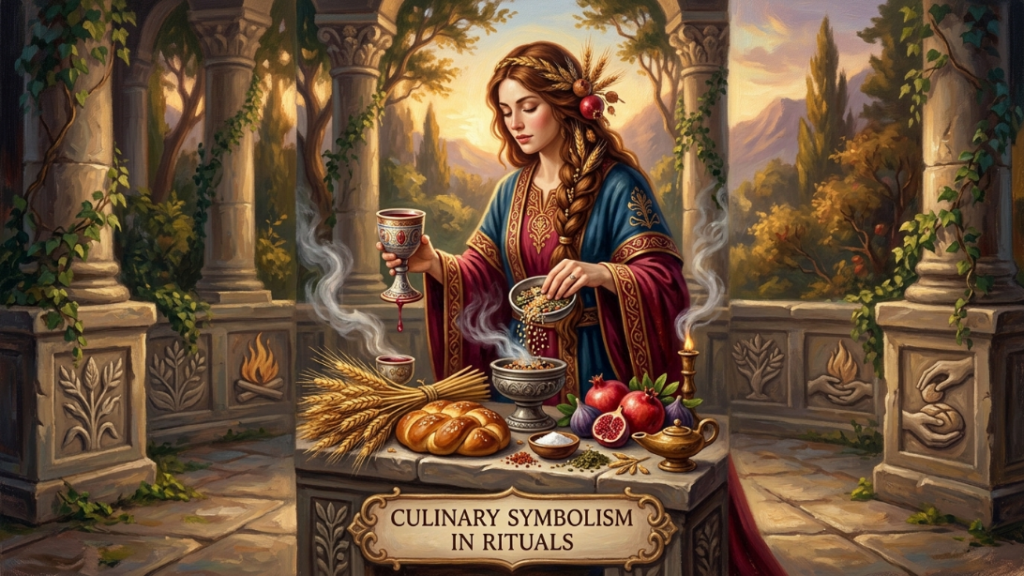
The rich tradition of culinary symbolism in rituals reminds us that food has always represented far more than nourishment. Throughout history, ceremonial meals have reflected humanity’s deepest values—gratitude, generosity, faith, resilience, hospitality, and unity.
Every loaf of bread, bowl of soup, fragrant herb, colorful fruit, sacred oil, and seasonal harvest has carried symbolic meaning that helped preserve cultural identity across generations. Ancient civilizations understood that preparing and sharing meaningful food strengthened communities while honoring both nature and tradition.
Today, these timeless customs continue influencing celebrations around the world. Whether through holiday feasts, family recipes, harvest festivals, or religious ceremonies, ritual cuisine remains one of humanity’s most enduring cultural treasures.
As we continue exploring the symbolism behind traditional foods, we not only preserve ancient knowledge but also strengthen our appreciation for the universal role that shared meals have always played in bringing people together. Every ceremonial dish tells a story—and every story reminds us that food is one of the world’s most powerful expressions of culture, memory, and human connection. 🌍🍽️💚