Anúncios
Introduction: The Forgotten Culinary Heritage of Ancient Civilizations
Every civilization leaves behind traces of its existence. Some are visible through towering monuments, impressive temples, and remarkable works of art. Others survive in a far more intimate form—through food. Long before modern cuisine evolved, ancient societies developed ceremonial dishes that reflected their beliefs, celebrated important milestones, and strengthened social bonds.
These ritual meals were never ordinary. They combined carefully selected ingredients with symbolic preparation methods that transformed food into an essential part of religious ceremonies, royal events, agricultural festivals, and community gatherings. Although many civilizations eventually disappeared, their ceremonial food traditions continue to fascinate archaeologists, historians, anthropologists, and culinary experts.
Today, scientific discoveries are revealing forgotten recipes that remained hidden for thousands of years. Ancient kitchens, cooking vessels, preserved grains, temple offerings, and microscopic food residues provide extraordinary insight into the everyday lives and spiritual traditions of lost cultures.
Studying ceremonial dishes allows us to understand ancient civilizations through one of humanity’s most universal experiences: sharing food.
Ritual Food as a Reflection of Spiritual Beliefs
Ancient people believed that food possessed spiritual significance far beyond physical nourishment.
Many ceremonial meals were prepared specifically to communicate with gods, honor ancestors, celebrate seasonal changes, or request divine protection. Every ingredient carried symbolic meaning, and every stage of preparation followed traditions passed down through generations.
In numerous civilizations, sacred recipes remained unchanged for centuries because altering them was considered disrespectful to religious customs.
This careful preservation demonstrates the deep connection between culinary traditions and spiritual identity.
Agricultural Success Inspired Ceremonial Cuisine
Without successful farming, ancient civilizations could not survive.
Because agriculture determined prosperity, ceremonial dishes frequently celebrated planting seasons, rainfall, harvests, and fertility.
Fresh grain became ceremonial bread.
Recently harvested fruit appeared during religious festivals.
Vegetables symbolized abundance.
Livestock represented wealth and stability.
Communities viewed these meals as expressions of gratitude toward nature while hoping future harvests would be equally successful.
Many harvest celebrations observed today continue traditions established thousands of years ago.
Ancient Food Offerings Inside Sacred Temples
Temples served not only as religious centers but also as places where ceremonial food played an essential role.
Priests prepared offerings consisting of bread, fruit, wine, oils, herbs, grains, fish, meat, and sweets depending upon local traditions.
Some offerings remained inside temples permanently.
Others were shared among worshippers after ceremonies concluded.
These sacred meals reinforced community participation while strengthening religious identity.
Excavations continue revealing temple kitchens specifically designed for preparing ritual offerings.
Rare Ingredients Reserved for Religious Festivals
Certain foods became symbols of prestige because they were difficult to obtain.
Imported spices, aromatic resins, honey, olives, premium grains, dried fruits, and fine wines often appeared only during major celebrations.
Royal kitchens carefully stored these valuable ingredients until important ceremonies arrived.
Their rarity increased both economic and symbolic value.
Possessing exotic ceremonial foods demonstrated prosperity, successful trade, and political influence throughout the ancient world.
Ancient Markets and the Supply of Sacred Foods
Behind every ceremonial feast existed an organized economic system.
- Farmers produced cereals.
- Fishermen supplied seafood.
- Hunters gathered wild game.
- Beekeepers collected honey.
- Merchants transported spices over enormous distances.
- Potters manufactured ceremonial bowls and storage jars.
- Without these specialized professions working together, large ritual celebrations would have been impossible.
- Ancient markets therefore played an invisible yet essential role in ceremonial cuisine.
The Symbolism of Grain Across Civilizations
Grain remained one of history’s most important ceremonial ingredients.
Whether wheat, barley, millet, rice, maize, or sorghum, grain represented life itself.
Freshly harvested grain symbolized renewal.
Stored grain represented security.
Ground flour reflected transformation.
Fresh bread became one of humanity’s oldest sacred foods.
Because agriculture determined survival, grain naturally occupied the center of countless ceremonial traditions across every inhabited continent.
Traditional Cooking Methods That Survived for Centuries
Ancient ceremonial dishes relied upon cooking techniques perfected through generations.
Clay ovens slowly baked ceremonial bread.
Stone hearths roasted meat evenly.
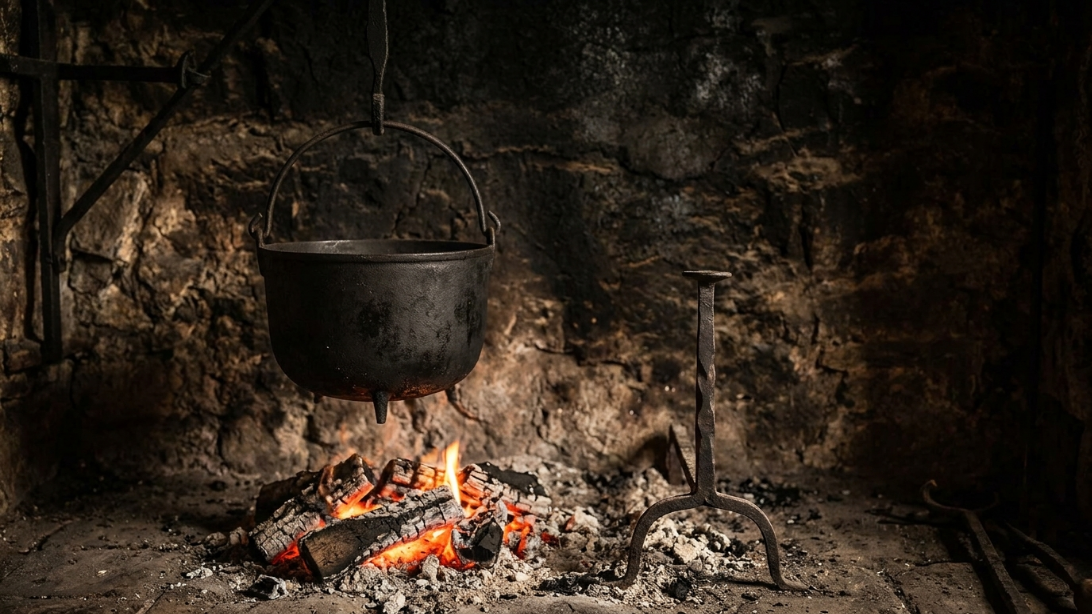
Large ceramic pots simmered communal stews.
Leaves wrapped delicate ingredients before steaming.
Wood fires infused ceremonial meals with distinctive aromas.
Many Indigenous communities continue preserving these traditional methods today, demonstrating their remarkable effectiveness and sustainability.
Music, Celebration, and Sacred Feasts
Food rarely stood alone during ceremonial events.
Musicians performed traditional songs.
Dancers reenacted ancient legends.
Storytellers preserved historical memories.
Religious leaders conducted blessings.
Families exchanged gifts.
Children learned cultural traditions through participation.
Ceremonial dishes therefore formed part of larger cultural celebrations that united entire communities around shared beliefs and collective identity.
Burial Rituals and Food for the Afterlife
Many ancient civilizations believed life continued after death.
As a result, ceremonial food frequently accompanied the deceased into burial sites.
Bread, dried fruit, wine, beer, meat, fish, sweets, and grains were placed inside tombs to provide nourishment for the next world.
Ancient Egyptians perfected this tradition, but similar practices also appeared across Asia, Europe, Africa, and the Americas.
These discoveries reveal humanity’s enduring belief that food symbolized continuity beyond earthly existence.
Archaeology Reveals Ancient Culinary Secrets
Modern archaeological techniques have transformed our understanding of ceremonial cuisine.
Chemical residue analysis identifies ancient beverages preserved inside pottery.
Microscopic pollen reveals herbs used in religious ceremonies.
Animal bones indicate ceremonial hunting practices.
Carbonized seeds identify forgotten crops.
DNA technology uncovers plant varieties once cultivated by ancient farmers.
Each scientific breakthrough helps reconstruct ritual meals that disappeared thousands of years ago.
Forgotten Civilizations With Remarkable Food Traditions
Many lesser-known civilizations developed sophisticated ceremonial cuisine.
The Olmec civilization prepared ritual cacao long before the Maya.
The Nuragic culture of Sardinia organized communal feasts around sacred stone complexes.
Ancient Nubian kingdoms combined African agriculture with Egyptian religious traditions.
The Indus Valley Civilization cultivated grains, legumes, spices, and dairy products that likely appeared during ceremonial celebrations.
Although written records remain limited, archaeological evidence continues revealing their extraordinary culinary heritage.
The Importance of Community Around the Table
Perhaps the greatest lesson offered by ancient ceremonial dishes is the importance of gathering together.
Every feast strengthened relationships.
Neighbors became friends.
Families honored elders.
Leaders demonstrated generosity.
Religious ceremonies reinforced shared beliefs.
Food became the foundation upon which communities built trust and cooperation.
Despite enormous differences between civilizations, nearly every culture understood that sharing meals created stronger societies.
Ancient Culinary Knowledge and Environmental Sustainability
Many lost civilizations practiced sustainable agriculture centuries before modern environmental science existed.
Crop rotation protected soil fertility.
Terraced farming prevented erosion.
Natural irrigation conserved water.
Seasonal harvesting respected ecological cycles.
Food preservation minimized waste.
Ceremonial traditions encouraged responsible use of natural resources because successful future harvests depended upon environmental balance.
Modern researchers increasingly study these ancient techniques to address contemporary agricultural challenges.
Why Historians Continue Studying Ritual Foods
Ceremonial dishes provide unique historical evidence unavailable through traditional written documents.
- They reveal dietary habits.
- They illustrate trade relationships.
- They demonstrate religious beliefs.
- They identify agricultural innovations.
- They expose social hierarchies.
- They explain economic systems.
By studying food, historians gain a more complete understanding of how ancient civilizations functioned on a daily basis.
Every recovered recipe represents another valuable piece of humanity’s shared historical puzzle.
Conclusion: The Lasting Influence of Ceremonial Dishes
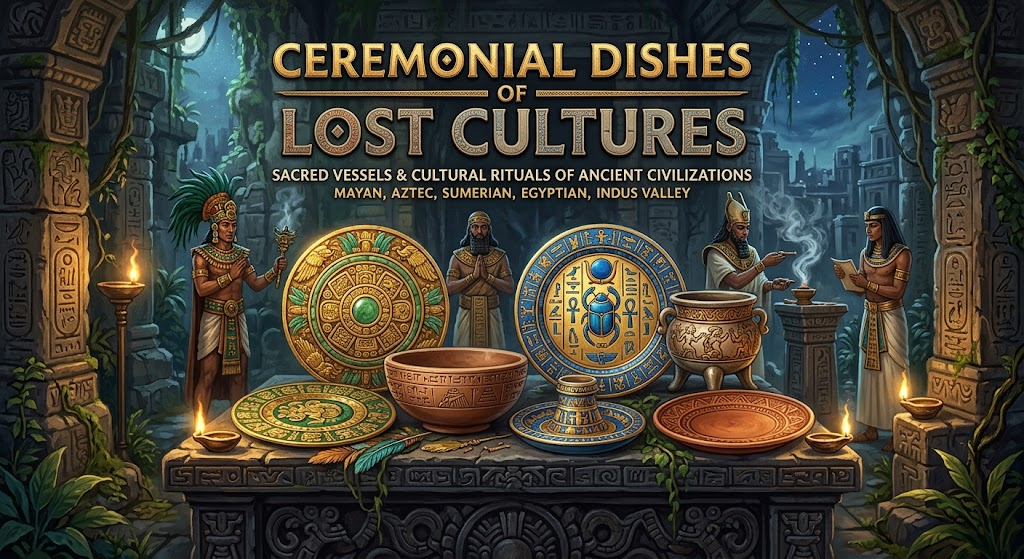
The ceremonial dishes of lost cultures remain among the most fascinating aspects of world history. Far more than collections of ancient recipes, they represent living expressions of spirituality, leadership, agriculture, environmental knowledge, artistic creativity, and cultural identity.
Although countless civilizations disappeared through war, migration, climate change, or political transformation, their ritual food traditions continue speaking across the centuries. Archaeological discoveries allow modern society to appreciate the remarkable sophistication of ancient culinary practices while preserving invaluable cultural knowledge for future generations.
Today, historians, archaeologists, chefs, museums, and Indigenous communities work together to protect these forgotten traditions. Their efforts remind us that food is one of humanity’s greatest cultural achievements, capable of preserving memory long after monuments crumble and empires disappear.
Ultimately, ceremonial dishes connect the modern world with civilizations that laid the foundations of agriculture, religion, trade, and community life. Every ancient loaf of bread, ceremonial beverage, sacred spice, or ritual feast tells a timeless story of human creativity and resilience. By continuing to explore these extraordinary culinary traditions, we not only honor lost cultures but also deepen our appreciation for the universal role that food has always played in bringing people together across generations.