Anúncios
Introduction: A Journey Into Ancient Sacred Cuisine
Long before modern restaurants, cookbooks, or culinary schools existed, ancient civilizations were already creating extraordinary ceremonial dishes that reflected their beliefs, traditions, and social values. These meals were never prepared simply to satisfy hunger. Instead, they became symbols of faith, celebration, sacrifice, prosperity, and the enduring relationship between humanity and the natural world.
Many of the world’s greatest civilizations have vanished, leaving behind mysterious temples, abandoned cities, and archaeological treasures. Yet among their most fascinating legacies are the ceremonial foods that once accompanied coronations, religious festivals, harvest celebrations, funerals, royal banquets, and seasonal rituals.
Today, historians and archaeologists continue piecing together these forgotten culinary traditions through ancient writings, preserved ingredients, ceremonial vessels, temple kitchens, and scientific analysis. Every discovery provides a deeper understanding of how food shaped civilizations and influenced cultural identity across thousands of years.
Why Ritual Food Was More Than Daily Nutrition
In ancient societies, ceremonial dishes carried meanings far beyond their nutritional value.
A ritual meal represented gratitude after a successful harvest, hope during difficult seasons, respect for ancestors, or devotion to powerful gods. Entire communities participated in preparing these sacred feasts, often following traditions that had remained unchanged for generations.
Unlike everyday meals, ceremonial food required careful planning. Ingredients were selected according to religious customs, cooking methods followed established rituals, and the presentation itself often held symbolic importance.
These traditions transformed ordinary cooking into an act of spiritual significance.
Seasonal Festivals and the Celebration of Nature
Ancient civilizations depended entirely upon the natural world for survival. As a result, changing seasons became central themes in ceremonial cuisine.
Spring festivals celebrated rebirth with fresh herbs, young vegetables, and newly harvested grains.
Summer ceremonies honored abundance through fruits, honey, and communal feasts.
Autumn festivals focused on successful harvests, roasted meats, preserved foods, and fermented beverages.
Winter celebrations emphasized endurance, family gatherings, and symbolic foods believed to bring protection during difficult months.
These seasonal rituals reinforced humanity’s deep connection with agriculture and environmental cycles.
Ceremonial Kitchens Inside Ancient Temples
Many of history’s greatest temples contained specialized kitchens designed exclusively for sacred ceremonies.
Temple cooks prepared offerings using carefully purified ingredients while following strict religious guidelines.
Only designated individuals could enter these sacred cooking spaces.
The preparation of ritual food itself became part of the ceremony. Washing ingredients, grinding grains, baking bread, roasting meat, and arranging offerings followed symbolic procedures intended to honor divine beings.
Archaeological excavations continue uncovering temple ovens, storage rooms, cooking vessels, and preparation areas that reveal the sophistication of ancient ceremonial kitchens.
Sacred Herbs and Medicinal Plants
Ancient ceremonial dishes frequently incorporated herbs valued for both culinary and spiritual purposes.
Mint symbolized hospitality.
Rosemary represented remembrance.
Sage reflected wisdom and purification.
Laurel leaves symbolized victory.
Thyme represented courage.
Many civilizations believed aromatic herbs purified ceremonial spaces while attracting divine protection.
Modern science has since confirmed that numerous herbs used during ancient ceremonies also possess remarkable medicinal properties, demonstrating the practical knowledge preserved within traditional culinary practices.
Seafood in Ancient Religious Ceremonies
Civilizations living near rivers, lakes, and oceans often incorporated seafood into ceremonial feasts.
Fish represented abundance because of their ability to reproduce in large numbers.
Shellfish symbolized prosperity in many coastal communities.
Sea salt became one of history’s most valuable ceremonial ingredients due to its ability to preserve food and represent purity.
Ancient Mediterranean civilizations, Pacific island cultures, and coastal societies throughout Asia all developed ritual meals centered around marine resources that sustained both physical life and spiritual traditions.
Ancient Fermentation and Sacred Beverages
Fermentation was one of humanity’s earliest culinary discoveries.
Ancient cultures transformed grains, fruits, honey, and roots into ceremonial beverages consumed during festivals, coronations, harvest celebrations, and diplomatic gatherings.
Fermented drinks symbolized transformation because natural ingredients changed into something entirely new.
Many religious traditions interpreted this process as evidence of divine power working through nature.
From honey mead in northern Europe to rice wine in ancient Asia and corn-based beverages in the Americas, fermentation became an essential part of ceremonial cuisine across the world.
The Hidden Meaning Behind Colors in Ritual Food
Color played a surprisingly important role in ceremonial dishes.
White foods symbolized purity and spiritual cleansing.
Red represented life, strength, sacrifice, and fertility.
Golden grains reflected prosperity and sunlight.
Green herbs symbolized renewal and growth.
Black ingredients occasionally represented mystery, protection, or remembrance of ancestors.
Ancient cooks deliberately selected colorful ingredients that reinforced the symbolic message of each ceremony.
Community Feasts Strengthened Entire Civilizations
One remarkable feature shared by nearly every ancient civilization was the communal feast.
Rather than eating individually, families gathered in large public spaces where food became a symbol of equality and cooperation.
Community meals encouraged storytelling, music, dancing, religious ceremonies, and political discussions.
Young generations learned traditions directly from their elders while participating in food preparation and ceremonial rituals.
These shared experiences strengthened cultural identity and helped preserve traditions long before written records became common.
Ancient Food Storage Made Ceremonies Possible
Large ceremonial festivals required careful preparation months in advance.
Ancient civilizations developed impressive food preservation techniques including drying, smoking, fermenting, salting, and storing grain inside specially designed structures.
Clay jars protected oils and wine.
Stone granaries preserved cereals.
Underground storage chambers maintained stable temperatures throughout the year.
Without these innovations, many ceremonial celebrations would have been impossible during seasons when fresh ingredients became scarce.
Archaeologists Decode Ancient Menus
Modern archaeological science has dramatically changed what we know about ceremonial cuisine.
Residue analysis identifies oils, spices, beverages, and grains absorbed into ancient pottery.
Microscopic pollen reveals plants used during religious ceremonies.
Carbon dating establishes when ceremonial meals occurred.
Stable isotope analysis helps determine the diets of ancient populations.
Together, these scientific methods allow researchers to reconstruct surprisingly detailed ceremonial menus that disappeared thousands of years ago.
Culinary Trade Connected Distant Civilizations
Ancient ceremonial dishes often included ingredients imported from distant regions.
Spices traveled across deserts and oceans.
Olive oil crossed the Mediterranean.
Incense arrived from Arabia.
Cinnamon reached Europe from Asia.
Rare ingredients became symbols of wealth because obtaining them required extensive trade networks.
Their presence in ceremonial meals reflected both economic prosperity and cultural exchange between civilizations separated by vast distances.
Reviving Forgotten Recipes in the Modern World
Interest in historical cuisine continues growing worldwide.
Museums organize ancient food exhibitions.
Historical festivals recreate ceremonial banquets.
Universities study traditional cooking methods.
Professional chefs experiment with forgotten grains, herbs, and preparation techniques inspired by archaeological discoveries.
These projects allow modern audiences to experience flavors remarkably similar to those enjoyed thousands of years ago while preserving invaluable cultural knowledge.
Lessons Ancient Ceremonial Food Teaches Us Today
The ceremonial dishes of lost cultures continue offering valuable lessons for modern society.
- They remind us to appreciate seasonal ingredients.
- They encourage sustainable farming practices.
- They demonstrate the importance of sharing meals with family and community.
- They celebrate cultural diversity through food traditions.
- Most importantly, they reveal that eating has always been about much more than survival.
- Food creates memories, strengthens relationships, preserves identity, and connects generations across time
Conclusion: The Enduring Legacy of Ancient Ritual Cuisine
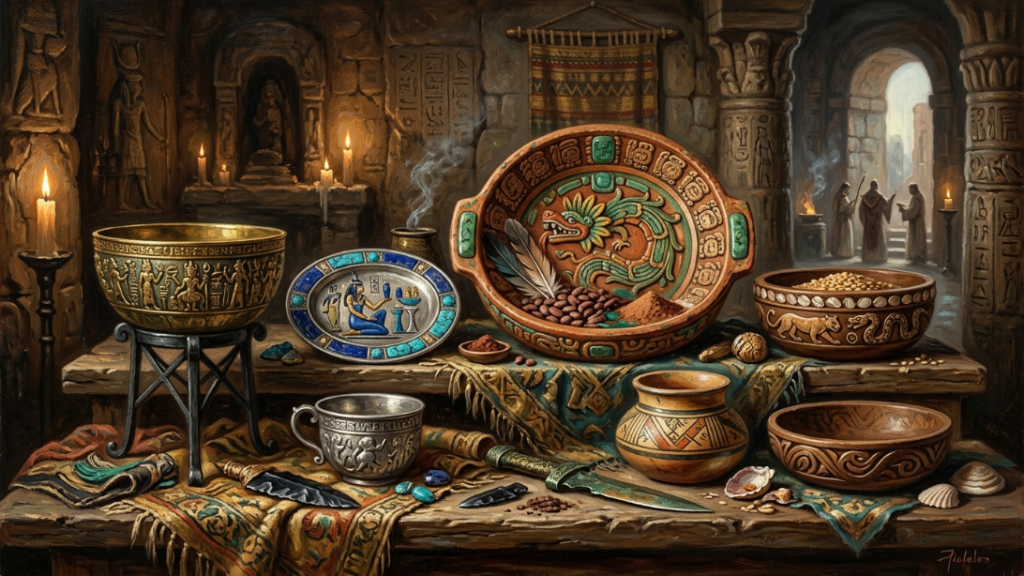
The ceremonial dishes of lost cultures remain among the most meaningful discoveries in archaeology and culinary history. Every recovered recipe, preserved grain, ceremonial vessel, and ancient kitchen provides another glimpse into civilizations that shaped the foundations of human society.
Although these cultures disappeared centuries or even millennia ago, their ritual food traditions continue inspiring historians, researchers, chefs, and travelers who seek to understand the deeper meaning behind ancient cuisine.
Far beyond simple nourishment, ceremonial meals represented gratitude, spirituality, leadership, prosperity, remembrance, and community. These universal values continue to influence modern celebrations, religious festivals, harvest feasts, weddings, and family gatherings around the world.
As archaeological technology advances, even more forgotten recipes will likely emerge from temples, tombs, settlements, and ceremonial sites waiting to be explored. Every discovery reinforces the remarkable truth that food preserves history in ways few other cultural traditions can.
Ultimately, studying the ceremonial dishes of lost cultures allows us to reconnect with the people who came before us. Their sacred meals tell stories of resilience, creativity, faith, and cooperation that remain relevant today. By preserving these ancient culinary traditions, we ensure that the wisdom, artistry, and cultural richness of long-lost civilizations continue to inspire future generations and deepen our appreciation for humanity’s extraordinary shared heritage.