Anúncios
Introduction: Ancient Meals That Connected Humanity with the Sacred
Every civilization leaves behind monuments, artifacts, and stories that help define its place in history. Yet one of the most fascinating legacies often receives far less attention: ceremonial food. Across thousands of years, ancient societies prepared elaborate ritual meals that celebrated life, honored the gods, welcomed changing seasons, and united entire communities. These ceremonial dishes were never simply about eating—they represented power, spirituality, identity, and tradition.
Today, many of these civilizations have disappeared, but archaeological discoveries continue revealing incredible details about their sacred feasts. Ancient cooking vessels, preserved grains, ceremonial kitchens, temple offerings, and historical records allow researchers to reconstruct forgotten recipes that once played central roles in religious ceremonies and cultural celebrations.
The ceremonial dishes of lost cultures offer an extraordinary window into humanity’s past. They reveal how food shaped societies, strengthened political alliances, reflected religious beliefs, and connected people with nature. Although centuries have passed since these civilizations flourished, their culinary traditions continue inspiring historians, chefs, archaeologists, and travelers around the world.
Food as a Sacred Language
Long before written languages became widespread, food served as one of humanity’s oldest forms of communication. Every ceremonial meal expressed values that words alone could not capture.
Preparing food for festivals, religious rituals, and important gatherings demonstrated respect for ancestors, gratitude toward nature, and devotion to spiritual beliefs. Families spent days collecting the finest ingredients, while skilled cooks followed recipes that had been preserved for generations.
In many societies, preparing ceremonial dishes was considered a sacred responsibility rather than an ordinary household task. Certain recipes could only be prepared by priests, temple workers, or respected elders who understood the symbolic meaning behind every ingredient.
Harvest Festivals and Seasonal Celebrations
Agriculture transformed human civilization, making harvest festivals some of the most important ceremonial events in ancient history.
Communities celebrated successful harvests with enormous feasts featuring grains, fruits, vegetables, roasted meats, fermented beverages, and freshly baked bread. These gatherings thanked the gods for fertile land while asking for continued prosperity during the coming seasons.
Many lost cultures believed poor harvests reflected spiritual imbalance. Ceremonial meals therefore became acts of gratitude designed to restore harmony between humanity and the natural world.
Even today, harvest festivals celebrated across Europe, Asia, Africa, and the Americas preserve traditions established thousands of years ago.
The Powerful Role of Bread in Ancient Rituals
Few foods possess a richer ceremonial history than bread.
Ancient Egyptians baked dozens of different varieties specifically for religious offerings. Mesopotamian temples distributed sacred bread during festivals, while early Mediterranean civilizations viewed bread as a divine gift symbolizing life itself.
Different grains carried unique meanings depending on the culture. Wheat represented abundance, barley reflected resilience, and millet symbolized survival in harsh climates.
Special ceremonial breads were often shaped into animals, celestial symbols, or sacred patterns that reinforced religious teachings and seasonal traditions.
The importance of bread remains visible today through countless religious ceremonies around the world.
Sacred Drinks Beyond Ordinary Beverages
Ceremonial beverages occupied an equally important place in ancient societies.
Fermented drinks made from corn, honey, grapes, rice, dates, or barley frequently accompanied major religious festivals. Rather than being consumed casually, these beverages represented transformation, celebration, and communication with the spiritual world.
Among the Maya, sacred cacao symbolized divine wisdom.
Within the Inca Empire, chicha united communities during agricultural celebrations.
Ancient Greeks incorporated wine into ceremonies honoring Dionysus, while many African kingdoms developed ritual drinks prepared only during royal gatherings.
Every ceremonial beverage reflected centuries of agricultural knowledge, cultural identity, and spiritual tradition.
Lost Civilizations That Celebrated Through Food
Although history often focuses on famous civilizations such as Egypt or Rome, many lesser-known societies also developed remarkable ceremonial cuisines.
The Hittites of Anatolia organized elaborate temple feasts dedicated to storm gods and agricultural deities.
The Kingdom of Kush prepared ceremonial meals influenced by both African and Egyptian traditions.
Ancient Etruscans hosted luxurious banquets featuring seafood, olives, fruits, herbs, and fine wines that later influenced Roman dining customs.
Across Southeast Asia, early kingdoms combined rice, spices, tropical fruits, and fish into ritual meals celebrating royal coronations and religious festivals.
Each civilization expressed its identity through unique ceremonial recipes adapted to local environments and cultural beliefs.
The Symbolism of Fire in Ritual Cooking
Fire represented far more than a cooking method.
In numerous ancient cultures, fire symbolized purification, transformation, renewal, and divine presence.
Many ceremonial dishes required open flames because people believed smoke carried prayers toward the heavens. Roasting meat over sacred fires became a powerful ritual shared by civilizations across Europe, Asia, Africa, and the Americas.
Some ceremonies even required newly lit fires created specifically for religious festivals, ensuring that every meal began with spiritual purity.
These traditions demonstrate how cooking itself became an act of worship.
Ancient Spices That Once Held Sacred Status
Modern kitchens use spices primarily for flavor, but ancient civilizations valued them for far greater reasons.
Cinnamon, frankincense, myrrh, saffron, cumin, coriander, cardamom, and cloves often appeared in ceremonial recipes because they represented wealth, healing, protection, or divine blessing.
Rare spices traveled thousands of miles through ancient trade networks, making them precious luxury items reserved for temples, royalty, and major religious celebrations.
The presence of exotic spices within archaeological sites also provides historians with valuable evidence of long-distance trade between civilizations.
Ceremonial Dining and Social Hierarchy
Not everyone attended every ceremonial feast.
Many ancient societies organized elaborate dining traditions according to social status, profession, religious authority, or political influence.
Royal families often received rare meats, imported fruits, fine wines, and beautifully crafted serving vessels.
Priests consumed sacred foods unavailable to ordinary citizens.
Meanwhile, public festivals allowed entire communities to share simpler ceremonial meals that emphasized unity rather than social division.
Understanding who ate particular ceremonial dishes provides archaeologists with important clues about ancient political structures and economic systems.
Archaeological Discoveries That Changed Culinary History
Modern technology continues transforming our understanding of ancient ceremonial cuisine.
Scientists now examine microscopic food particles trapped inside pottery, chemical residues preserved on cooking vessels, fossilized seeds, animal bones, and even ancient human teeth.
These discoveries have identified ingredients previously unknown to historians.
Researchers have reconstructed bread recipes from Egyptian bakeries, identified cacao residue inside Maya pottery, analyzed fermented beverages from Bronze Age Europe, and recreated ceremonial soups served thousands of years ago.
Each discovery adds another chapter to humanity’s remarkable culinary history.
Ancient Cooking Techniques Worth Remembering
Lost civilizations developed surprisingly advanced cooking methods that continue influencing modern cuisine.
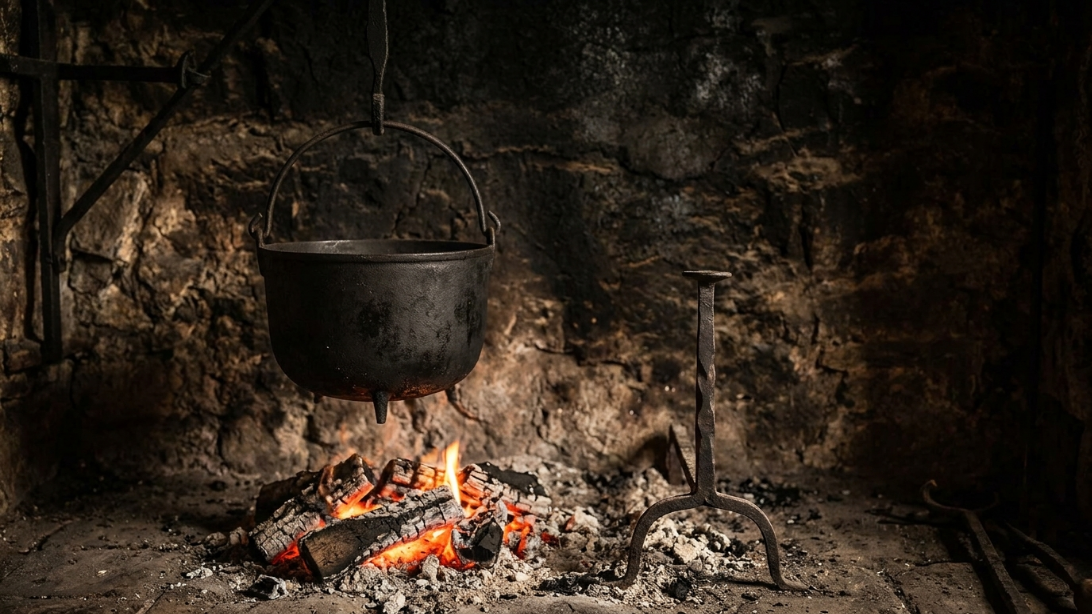
Stone ovens retained heat for hours.
Clay pots distributed heat evenly while preserving moisture.
Underground earth ovens slowly roasted meat until tender.
Hot stones heated soups without damaging fragile containers.
Natural leaves protected food during steaming while adding subtle flavors.
These sustainable techniques required minimal resources while producing nutritious and flavorful meals.
Modern chefs increasingly revive these traditional methods to celebrate historical authenticity and environmental responsibility.
The Connection Between Food and the Afterlife
Many ancient cultures believed ceremonial food extended beyond earthly existence.
Egyptians filled tombs with bread, beer, fruit, meat, and sweets intended for the deceased.
Chinese burial sites contain miniature kitchens and food offerings representing eternal abundance.
Some Mesoamerican cultures prepared ritual meals honoring ancestors believed to return during sacred festivals.
These traditions demonstrate humanity’s enduring belief that food nourishes not only the body but also memory, identity, and spiritual connection.
Why Ancient Ceremonial Dishes Continue to Inspire Modern Culture
The growing popularity of historical cooking, food tourism, and heritage cuisine demonstrates humanity’s continuing fascination with ancient ceremonial dishes.
Restaurants recreate recipes inspired by archaeological discoveries.
Museums organize historical banquets.
Universities study forgotten agricultural practices.
Indigenous communities preserve ancestral cooking traditions that have survived for centuries despite tremendous cultural change.
These efforts help protect culinary heritage while introducing new generations to remarkable traditions that might otherwise disappear forever.
Conclusion: Preserving the Culinary Legacy of Lost Civilizations
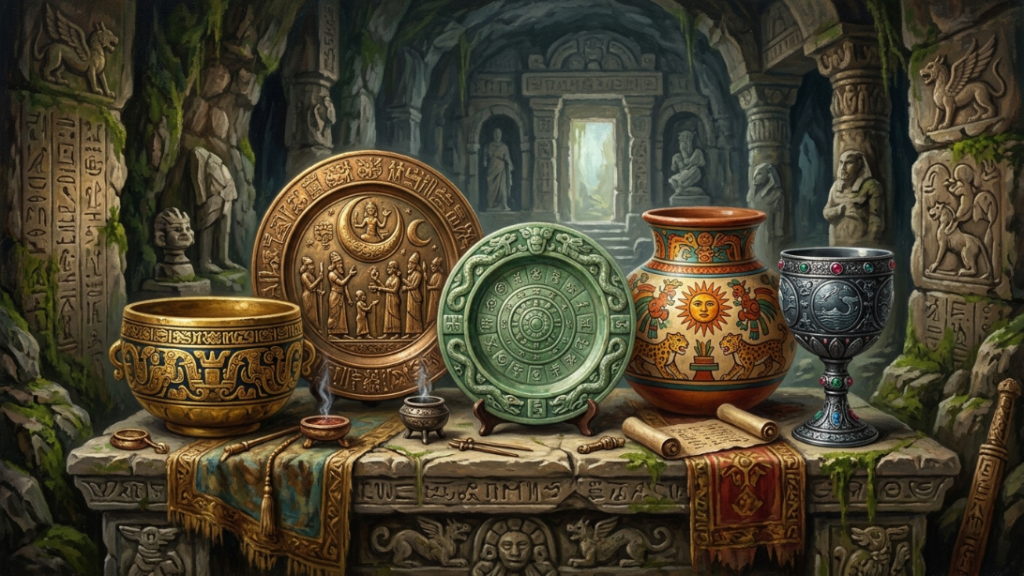
The ceremonial dishes of lost cultures represent far more than ancient recipes. They tell stories of belief, survival, celebration, innovation, and community. Every sacred loaf of bread, fermented beverage, roasted feast, fragrant spice, and symbolic offering reveals how deeply food influenced the world’s earliest civilizations.
Although temples have fallen and empires have vanished, their ceremonial traditions continue shaping modern culinary culture in surprising ways. Archaeologists uncover new evidence each year, allowing historians and chefs to better understand the remarkable diversity of ancient food traditions.
By studying ceremonial dishes, we preserve more than history—we preserve the values, creativity, and wisdom of people whose cultures helped build the foundations of our modern world. Their recipes remind us that food has always been one of humanity’s most powerful expressions of identity, spirituality, and connection.
Whether explored through archaeological research, cultural festivals, museum exhibitions, or recreated historical meals, the ceremonial dishes of lost cultures continue to inspire curiosity and admiration. They serve as timeless reminders that every civilization, no matter how distant in time, has contributed unique flavors, traditions, and stories to the shared heritage of humankind.