Anúncios
🌍 Introduction: The Cultural Language Hidden in Every Ritual Meal
Across thousands of years, civilizations have expressed their deepest beliefs through food. Long before books documented religious traditions or cultural customs, communities communicated values through ceremonial meals prepared for festivals, harvest celebrations, weddings, funerals, and sacred rituals. Every ingredient chosen for these occasions carried meaning, transforming ordinary dishes into powerful symbols of identity and spirituality.
The study of culinary symbolism in rituals reveals how food became one of humanity’s oldest forms of storytelling. A bowl of grain could represent prosperity, while fragrant herbs symbolized purification. Sweet desserts reflected hope for a joyful future, and shared meals strengthened relationships that held communities together for generations.
Today, many of these symbolic traditions continue to influence holidays, religious ceremonies, and family celebrations around the world. Understanding the history behind ritual foods helps preserve cultural heritage while reminding us that every shared table carries a story worth remembering.
🌾 Ancient Harvest Ceremonies and Their Symbolic Foods
For agricultural societies, harvest season represented one of the most important moments of the year.
Successful crops ensured survival through the coming months, making harvest festivals occasions of gratitude and celebration. Communities prepared meals using freshly harvested grains, vegetables, fruits, legumes, and herbs to honor the earth’s generosity.
The first portion of every harvest was often considered sacred. Rather than consuming it immediately, families dedicated it to religious ceremonies or communal feasts, believing that gratitude would bring continued prosperity in future seasons.
These traditions created lasting connections between food, nature, and spiritual belief.
🥖 Why Bread Became a Sacred Symbol Across Civilizations
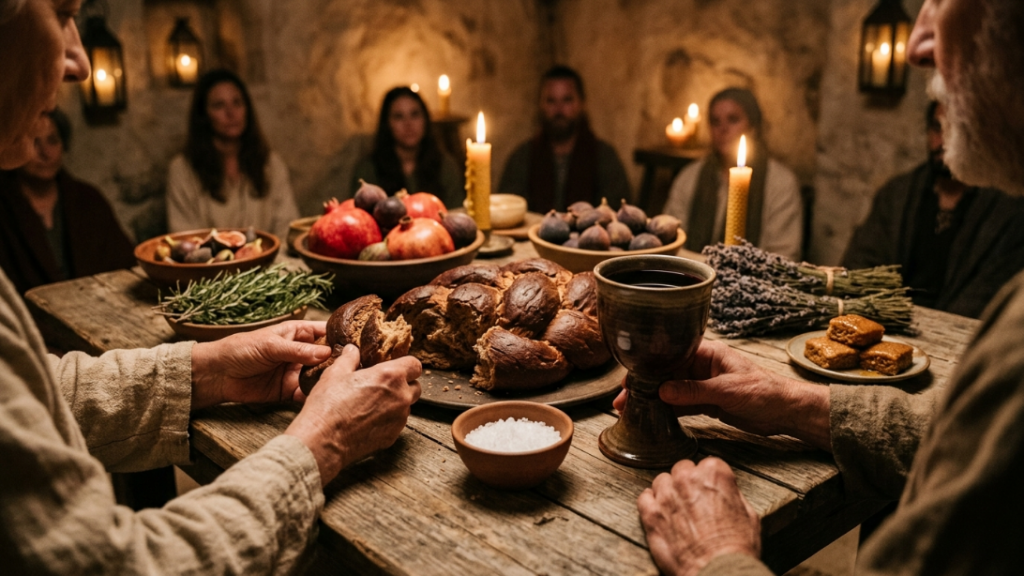
Bread appears in countless ritual traditions because it represents one of humanity’s oldest prepared foods.
Transforming simple grain into bread requires patience, knowledge, cooperation, and time. Ancient civilizations viewed this transformation as symbolic of personal growth and renewal.
Freshly baked bread frequently appeared during festivals celebrating peace, family unity, and successful harvests.
Its warm aroma and simple ingredients reminded communities that life’s greatest blessings often came from the most essential resources provided by nature.
Even today, bread continues serving as a meaningful symbol during religious and cultural celebrations worldwide.
🌺 Flowers and Edible Decorations in Ritual Cuisine
Ceremonial meals often featured beautiful edible decorations that carried symbolic importance.
🌸 Rose petals represented love and devotion.
🌼 Marigolds honored remembrance.
🌺 Hibiscus reflected celebration and vitality.
🌿 Edible herbs symbolized purity.
🍃 Fresh leaves represented growth and harmony.
Decorating ceremonial dishes with flowers and natural plants transformed ordinary meals into visual expressions of gratitude and beauty.
These artistic traditions continue inspiring modern food presentation.
🥜 Nuts and Seeds as Symbols of New Beginnings
Tiny seeds carried enormous symbolic meaning.
Because they contained the potential for future growth, many cultures associated seeds with fertility, renewal, and hope.
Almonds symbolized prosperity.
Sesame represented abundance.
Sunflower seeds reflected vitality.
Pumpkin seeds often celebrated successful harvests.
Nuts and seeds regularly appeared in ceremonial breads, desserts, and festive dishes prepared during important life events.
Their symbolism reminded participants that great achievements often begin with small beginnings.
🍵 Tea and Herbal Infusions in Ritual Practices
Not every ceremonial tradition centered on elaborate meals.
Many cultures developed symbolic tea ceremonies emphasizing mindfulness, hospitality, respect, and inner peace.
Herbal infusions prepared from flowers, leaves, roots, and spices often accompanied meditation, religious gatherings, or family celebrations.
Sharing warm beverages encouraged conversation, reflection, and stronger social connections.
These simple rituals demonstrated that meaningful traditions do not always require extravagant ingredients.
🏺 The Importance of Serving Vessels
The containers used during ceremonial meals often held symbolic value equal to the food itself.
Beautiful clay bowls represented craftsmanship.
Wooden platters reflected nature.
Carved stone vessels symbolized permanence.
Decorated cups honored special guests.
Many ceremonial serving pieces were reserved exclusively for sacred occasions and carefully preserved between celebrations.
Their artistic designs often reflected religious beliefs, family heritage, or regional identity.
👨👩👧👦 Food as a Tool for Teaching Younger Generations
Ceremonial meals served as important educational experiences.
Children learned cultural traditions while helping prepare ingredients.
Elders explained the meaning behind symbolic foods.
Stories accompanied recipes.
Songs celebrated seasonal harvests.
Religious leaders described the significance of each ritual dish.
Through participation rather than formal instruction, young generations naturally inherited their community’s culinary heritage.
🌊 Water-Based Ritual Meals Around the World
Communities living near rivers, lakes, and oceans developed unique ceremonial traditions centered around aquatic foods.
Freshwater fish symbolized life.
Seaweed reflected resilience.
Shellfish represented abundance.
River herbs honored flowing water as a source of prosperity.
Many water-based ceremonies also included blessings requesting healthy fisheries, safe travel, and continued access to clean water.
These traditions demonstrate how geography shaped symbolic cuisine.
🎊 Celebration Foods That Marked Important Achievements
Ancient societies frequently prepared special dishes to celebrate milestones.
Successful harvests inspired communal banquets.
Military victories featured ceremonial feasts.
New homes welcomed guests with symbolic meals.
Royal coronations showcased regional specialties.
Trade agreements concluded with shared dining experiences.
Food reinforced positive moments while creating lasting memories associated with important historical events.
🧂 Everyday Ingredients With Extraordinary Meanings
Many symbolic foods came directly from ordinary kitchens.
Salt represented loyalty.
Oil reflected blessing.
Milk symbolized purity.
Beans demonstrated resilience.
Onions represented protection in some traditions.
Garlic reflected strength and health.
These everyday ingredients became powerful symbols because they supported daily life while appearing consistently during important ceremonies.
🌍 Culinary Symbolism Bridges Cultures
One fascinating aspect of ritual food is how similar symbolic meanings appear across different civilizations.
Communities separated by thousands of miles independently associated grain with life, fruit with abundance, herbs with healing, and shared meals with unity.
These similarities suggest that human societies naturally developed comparable ways of expressing gratitude, celebration, and spiritual belief through food.
Culinary symbolism therefore serves as a bridge connecting diverse cultures across time and geography.
📖 Preserving Ritual Food Traditions in the Modern World
Today, many organizations work to preserve traditional ceremonial cuisine.
Museums document historical recipes.
Universities study food anthropology.
Indigenous communities teach ancestral cooking methods.
Chefs recreate forgotten ceremonial dishes using traditional ingredients.
These efforts ensure that valuable culinary traditions remain accessible for future generations while honoring the cultures that first developed them.
❤️ Why Ritual Foods Continue Inspiring Modern Families
Although lifestyles have changed dramatically, symbolic meals remain important today.
Holiday dinners strengthen family relationships.
Wedding feasts celebrate commitment.
Religious meals reinforce shared beliefs.
Festival foods preserve cultural identity.
Birthday cakes mark personal milestones.
These traditions remind us that meaningful meals are about more than recipes—they create memories that last for generations.
✨ Conclusion: The Lasting Power of Culinary Symbolism
The history of culinary symbolism in rituals demonstrates that food has always been one of humanity’s most meaningful cultural expressions. Across civilizations, symbolic meals communicated gratitude, faith, prosperity, remembrance, and unity in ways that words alone could never achieve.
Whether through ceremonial bread, fragrant herbs, symbolic fruits, shared harvest meals, or family recipes carefully preserved across generations, ritual foods continue connecting people with their heritage and with one another.
As researchers uncover new archaeological discoveries and communities continue protecting traditional cuisine, our understanding of culinary symbolism grows even richer. These timeless traditions remind us that every shared meal has the potential to celebrate life’s most important moments while preserving stories that deserve to be passed from one generation to the next.
In every culture and every era, food has remained far more than nourishment—it has become one of humanity’s most enduring symbols of connection, tradition, and hope. 🌍🍽️🌿