Anúncios
🌍 Introduction: Food as a Symbol Beyond Nutrition
Since the dawn of civilization, food has served purposes far beyond satisfying hunger. Across continents and throughout history, communities have used ceremonial meals to express gratitude, celebrate milestones, honor ancestors, strengthen social bonds, and communicate with the spiritual world. Every ritual ingredient carried meaning, and every shared meal reflected the identity of the people preparing it.
The concept of culinary symbolism in rituals demonstrates that food is one of humanity’s oldest cultural languages. A simple loaf of bread, a bowl of rice, a handful of herbs, or a cup of wine often represented values such as peace, fertility, prosperity, protection, and renewal.
Although many ancient traditions have evolved over time, symbolic foods remain deeply connected to modern celebrations, religious ceremonies, and family customs. Exploring these traditions helps us better understand the remarkable relationship between culture, belief, and cuisine.
🌾 The Origins of Ritual Food Traditions
Long before written history, early societies recognized that food played an essential role in survival.
Because successful harvests determined whether communities flourished or struggled, people naturally associated certain foods with blessings, prosperity, and divine favor.
Seasonal festivals became opportunities to thank nature for providing fertile land, clean water, healthy livestock, and abundant crops.
As civilizations grew more complex, these agricultural celebrations gradually evolved into sophisticated religious and cultural ceremonies centered around symbolic meals.
🥣 Why Simple Foods Became Sacred
Interestingly, many ceremonial dishes were made from ordinary ingredients.
Grains, vegetables, legumes, fruits, and herbs appeared frequently because they represented everyday life and the natural gifts that sustained entire populations.
Their symbolic value came not from rarity but from meaning.
A humble bowl of grain could represent hope.
Fresh bread reflected survival.
Cooked rice symbolized prosperity.
Seasonal vegetables honored the changing rhythms of nature.
Simple foods became sacred because they connected people with both their environment and their traditions.
🌿 The Symbolism of Fresh Herbs
Fresh herbs have played important ceremonial roles for thousands of years.
🌱 Parsley represented renewal.
🌿 Dill symbolized protection.
🍃 Mint reflected hospitality and generosity.
🌾 Fennel became associated with strength.
🌼 Chamomile symbolized peace and healing.
These herbs were often incorporated into ritual meals or placed alongside ceremonial dishes to create an atmosphere of spiritual purity.
Their pleasant aromas also enhanced the sensory experience of sacred gatherings.
🍚 Rice as a Global Symbol of Prosperity
Few ingredients possess stronger ceremonial significance than rice.
Throughout Asia, rice has represented abundance, fertility, happiness, and family prosperity for thousands of years.
Wedding ceremonies frequently include rice because each grain symbolizes blessings for the future.
Harvest festivals celebrate successful rice cultivation as a gift from nature.
Many communities continue preparing traditional rice dishes during important holidays to honor ancestral customs while expressing gratitude for another successful year.
🕊️ Salt and the Meaning of Trust
Today salt appears ordinary, but throughout history it represented extraordinary value.
Because salt preserved food before refrigeration existed, it became associated with protection, loyalty, endurance, and friendship.
Sharing salt often symbolized trust between families or neighboring communities.
Many ceremonial meals included salt not only for flavor but also because people believed it protected participants from misfortune while strengthening social relationships.
Its symbolism remains visible in numerous traditional customs around the world.
🍂 Seasonal Ingredients Carried Powerful Messages
Ancient cooks selected ingredients according to the season rather than convenience.
Spring celebrations featured fresh greens and flowers representing new beginnings.
Summer rituals highlighted colorful fruits symbolizing abundance.
Autumn ceremonies focused on grains, squash, nuts, and harvest vegetables.
Winter festivals emphasized preserved foods that represented resilience and preparation.
These seasonal choices reminded communities that human life remained closely connected to natural cycles.
🔥 The Ceremony of Preparing Food
Preparation often carried as much symbolic importance as eating itself.
Grinding grain together encouraged cooperation.
Kneading bread represented patience.
Slow cooking reflected wisdom.
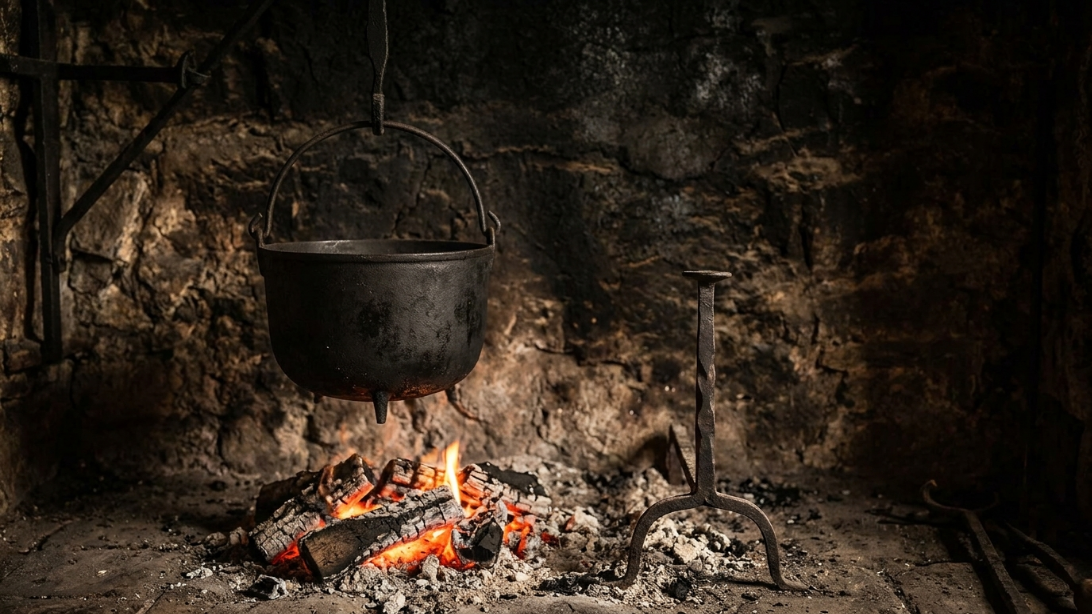
Roasting over open flames symbolized purification.
Families worked collectively, turning food preparation into an educational experience where younger generations learned traditions directly from elders.
The ritual began long before anyone sat down to eat.
🏡 Family Recipes as Cultural Heritage
Many ceremonial dishes survived because families carefully protected traditional recipes.
Instead of written instructions, recipes were passed through observation and practice.
Grandparents taught grandchildren.
Parents guided children.
Every holiday provided another opportunity to preserve culinary knowledge.
These family traditions ensured that symbolic foods remained meaningful even as societies changed over centuries.
Today, countless families continue preparing recipes inherited from previous generations.
🎭 Festivals That Revolved Around Symbolic Food
Across history, many celebrations centered entirely around ceremonial cuisine.
Harvest festivals honored successful crops.
Spring festivals celebrated rebirth.
Winter feasts brought communities together during difficult seasons.
Religious holidays featured sacred meals reflecting spiritual teachings.
Royal celebrations showcased national prosperity through elaborate banquets.
Although each culture developed unique traditions, the shared goal remained remarkably similar: strengthening community through meaningful food.
🌎 Symbolic Foods Across Different Continents
Every region developed its own culinary symbols.
🌽 Corn represented life throughout the Americas.
🥥 Coconut symbolized generosity across tropical regions.
🫒 Olive oil reflected peace and purity around the Mediterranean.
🥜 Peanuts represented resilience in parts of Africa.
🥟 Dumplings symbolized prosperity in several Asian cultures.
Despite enormous geographical differences, food consistently became a powerful expression of cultural identity.
🧪 Modern Science Supports Ancient Wisdom
Interestingly, many symbolic foods also possess exceptional nutritional value.
Whole grains provide lasting energy.
Honey contains natural antioxidants.
Herbs offer medicinal compounds.
Fermented foods support digestive health.
Fresh fruits provide essential vitamins.
Although ancient civilizations often valued these foods for spiritual reasons, modern nutrition increasingly confirms their practical health benefits.
This fascinating connection highlights the remarkable wisdom preserved within traditional culinary practices.
📚 Museums and Researchers Preserve Culinary Symbolism
Around the world, museums and research institutions continue documenting ancient food traditions.
Archaeologists analyze cooking vessels.
Historians translate ceremonial texts.
Anthropologists interview Indigenous communities.
Chefs recreate historical recipes using traditional techniques.
Together, these efforts preserve valuable cultural knowledge that might otherwise disappear.
Studying symbolic food traditions allows future generations to appreciate humanity’s extraordinary culinary heritage.
❤️ Why Ritual Foods Continue to Matter
Despite technological advances, people still gather around symbolic meals during life’s most meaningful moments.
Families celebrate birthdays with cakes.
Communities organize harvest festivals.
Religious groups share sacred meals.
Friends prepare traditional recipes during holidays.
These customs remind us that food creates emotional connections impossible to replace.
The ingredients may vary, but the purpose remains timeless: bringing people together.
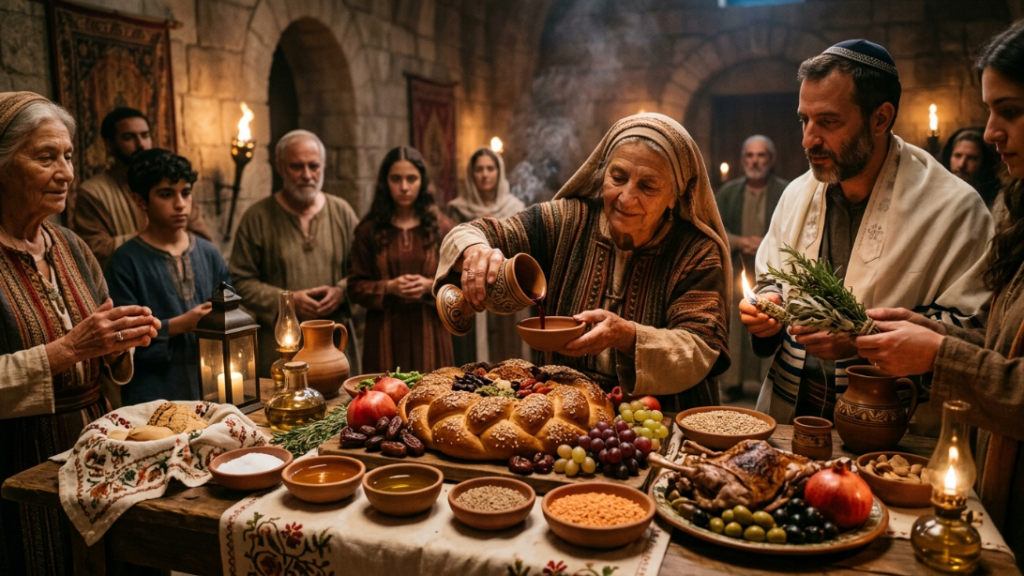
✨ Conclusion: Food as the World’s Oldest Cultural Tradition
Culinary symbolism in rituals reveals that food has always represented far more than physical nourishment. Across thousands of years, civilizations transformed everyday ingredients into powerful symbols of hope, gratitude, prosperity, remembrance, faith, and unity.
From ceremonial rice and sacred bread to fragrant herbs, seasonal fruits, symbolic salt, and traditional family recipes, ritual foods continue preserving the values that shaped human civilization. Every shared meal carries the potential to strengthen relationships, honor cultural identity, and celebrate life’s most important moments.
As historians and archaeologists continue uncovering forgotten culinary traditions, we gain a deeper appreciation for the remarkable role food has played throughout history. More importantly, we recognize that every culture, regardless of time or place, has understood one universal truth: sharing meaningful food brings people closer together.
That enduring message makes culinary symbolism one of humanity’s richest and most fascinating cultural legacies. 🌍🍽️💛