Anúncios
🌎 Introduction: Understanding the Symbolic Power of Food
From the earliest civilizations to modern societies, food has always been more than something people eat to survive. Across continents and throughout history, meals have served as symbols of identity, spirituality, gratitude, and belonging. Ritual foods transformed ordinary ingredients into meaningful expressions of culture, allowing communities to celebrate important moments while preserving traditions for future generations.
The study of culinary symbolism in rituals reveals how deeply food is connected to human beliefs. Whether offered to deities, shared among families, or prepared for seasonal festivals, ceremonial dishes reflected the values of the societies that created them.
Even today, many of the world’s most beloved celebrations continue to feature foods whose symbolic meanings originated thousands of years ago. Understanding these traditions allows us to appreciate not only what people eat, but why certain foods remain culturally significant across generations.
🏛️ Ritual Foods Preserved Cultural Memory
Ancient civilizations often relied on oral tradition to preserve their history.
Recipes became part of that tradition.
Parents taught children how to prepare ceremonial dishes exactly as previous generations had done. Ingredients, cooking methods, serving rituals, and even the order in which foods were presented all carried historical significance.
Unlike written records that could disappear over time, culinary traditions survived because they were practiced repeatedly during religious ceremonies and community celebrations.
Every ritual meal became a living piece of history.
🌱 Sacred Plants and Their Spiritual Meaning
Many plants held symbolic importance beyond their nutritional value.
🌿 Basil represented protection in several ancient traditions.
🍃 Bay leaves symbolized victory and honor.
🌾 Wheat reflected abundance and prosperity.
🌸 Lotus flowers represented purity and spiritual awakening in Eastern civilizations.
🌴 Palm branches symbolized triumph and eternal life.
These plants frequently accompanied ceremonial meals or decorated sacred spaces where ritual feasts took place.
Their symbolism often became just as important as the food itself.
🍎 Fruits That Represented Renewal and Abundance
Fruit frequently appeared during ritual celebrations because of its natural connection with fertility, growth, and seasonal renewal.
🍇 Grapes represented celebration and transformation.
🍏 Apples symbolized wisdom in several traditions.
🍊 Citrus fruits reflected good fortune.
🌰 Pomegranates became symbols of life, prosperity, and rebirth because of their countless seeds.
🍐 Pears often represented longevity and peace.
The abundance of fruit during harvest festivals reinforced gratitude toward nature while celebrating another successful agricultural season.
🕯️ Why Offerings Were Central to Ancient Rituals
Food offerings formed one of humanity’s oldest religious traditions.
Communities prepared their finest ingredients before placing them inside temples, shrines, or sacred locations.
These offerings symbolized appreciation rather than sacrifice alone.
People believed sharing valuable food demonstrated humility, generosity, and trust in divine protection.
Many ceremonies concluded by distributing portions of the offering among participants, reinforcing the belief that blessings should be shared throughout the community.
🍲 Communal Cooking as a Sacred Tradition
Preparing ceremonial meals often required the participation of dozens—or even hundreds—of people.
Large clay ovens baked bread for entire villages.
Families gathered to prepare vegetables together.
Hunters supplied meat.
Fishermen contributed their catches.
Children collected herbs and firewood.
Rather than assigning cooking to a single individual, ancient societies viewed food preparation as a communal responsibility that strengthened relationships before the celebration even began.
🌍 Geography Influenced Ritual Cuisine
The environment strongly shaped symbolic food traditions.
Mountain cultures relied on hardy grains, cheese, and preserved meats.
Island communities celebrated fish, coconuts, tropical fruits, and sea salt.
Forest civilizations incorporated mushrooms, berries, nuts, and wild herbs.
River societies developed rituals centered around fertile farmland and freshwater fish.
Although ingredients varied dramatically across regions, the symbolic purpose remained remarkably similar: expressing gratitude for nature’s gifts.
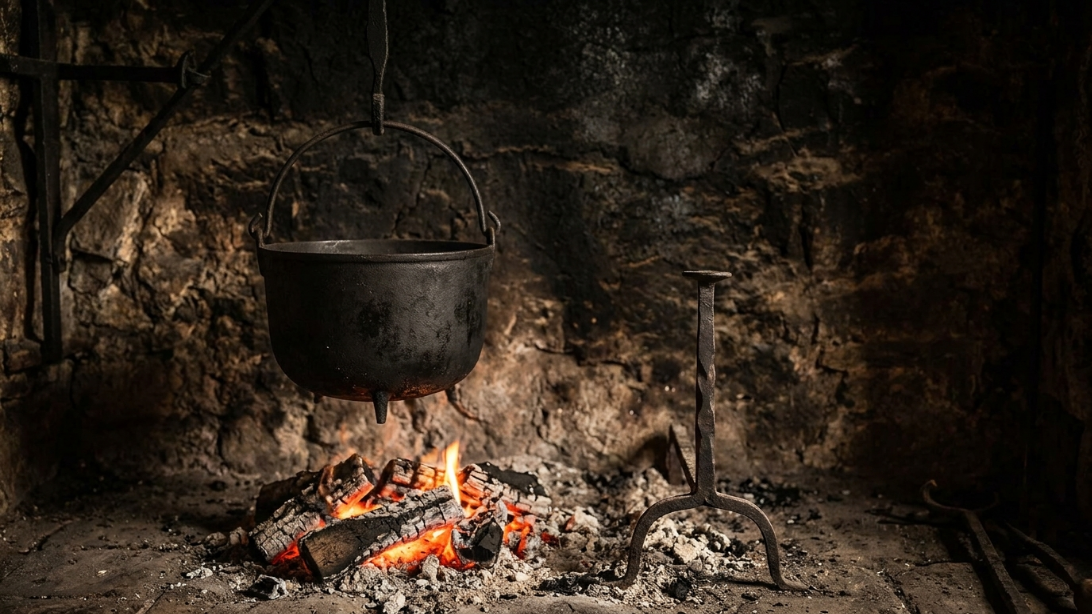
🔥 The Meaning Behind Shared Fire
Fire played a symbolic role in many ritual meals.
A newly lit ceremonial fire represented purification and new beginnings.
Cooking over a common fire symbolized unity because every family contributed to the same feast.
The warmth of the flames encouraged storytelling, music, and spiritual reflection.
Many cultures believed fire carried prayers toward the heavens, making every cooked dish part of a larger sacred experience.
This symbolism continues today through campfires, holiday candles, and ceremonial cooking traditions.
🥛 Milk, Butter, and Dairy in Sacred Ceremonies
Dairy products also carried important meanings throughout history.
Fresh milk symbolized purity and new life.
Butter represented prosperity because it required abundant livestock.
Cheese demonstrated patience, craftsmanship, and successful food preservation.
Many pastoral societies included dairy products during seasonal festivals celebrating healthy herds and agricultural prosperity.
Even today, butter, cream, and milk remain central ingredients in numerous holiday recipes around the world.
🎉 Ritual Foods Marked Every Stage of Life
Ancient ceremonial cuisine accompanied nearly every major life event.
👶 Birth celebrations welcomed new family members.
💍 Weddings united two families through shared feasts.
🏡 House blessings featured symbolic meals for prosperity.
👑 Coronations celebrated new leadership.
🌾 Harvest festivals honored successful crops.
🕊️ Memorial ceremonies remembered loved ones.
Food became humanity’s universal language for celebrating life’s most meaningful milestones.
📜 Ancient Recipes Were Carefully Protected
Some ceremonial recipes remained secret.
Temple priests preserved sacred formulas.
Royal chefs guarded exclusive preparation methods.
Families passed recipes privately from one generation to another.
Because these dishes represented cultural identity, protecting traditional recipes became an important responsibility.
Many modern family recipes continue this centuries-old tradition of preserving culinary heritage.
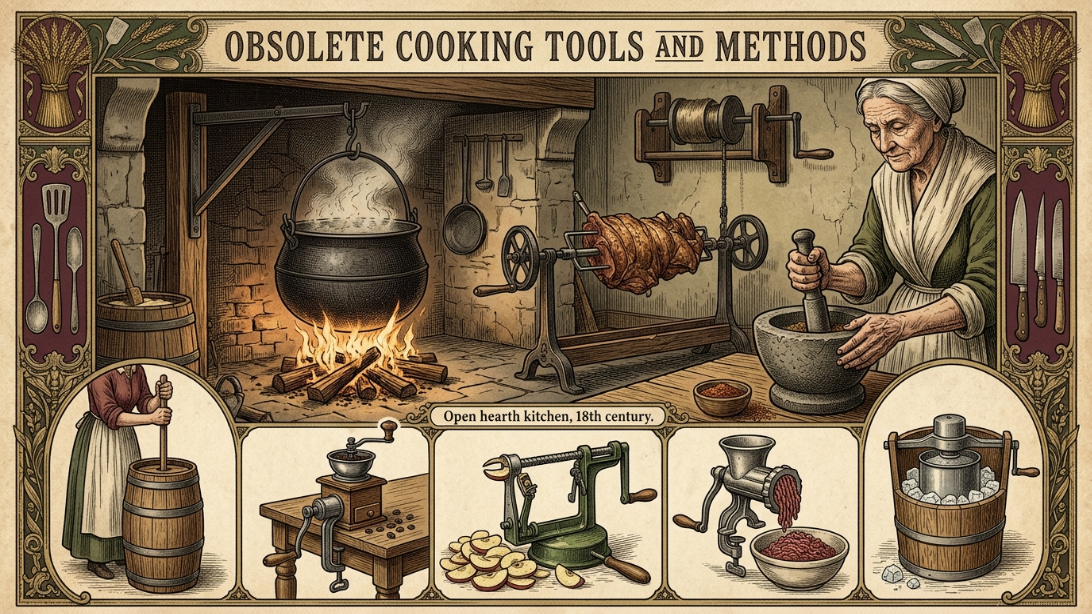
🏺 What Ancient Cooking Tools Tell Us
Archaeological discoveries reveal that ceremonial cooking required specialized equipment.
Stone grinding tools produced fine flour.
Decorated serving bowls displayed ritual offerings.
Large storage jars protected grain throughout the year.
Bronze knives prepared ceremonial meat.
Clay baking ovens produced hundreds of loaves during major festivals.
These tools demonstrate that ritual cuisine required remarkable planning and technical knowledge long before modern kitchens existed.
🌿 Culinary Symbolism Continues in Modern Celebrations
Although civilizations have changed dramatically, symbolic foods remain central to celebrations worldwide.
Holiday dinners emphasize gratitude.
Birthday cakes celebrate life and personal milestones.
Wedding banquets represent unity and commitment.
Harvest festivals honor nature’s abundance.
Religious feasts reinforce spiritual identity.
Many of these customs trace their origins to ancient ceremonial traditions that continue evolving while preserving their symbolic meaning.
🌟 Why Culinary Symbolism Matters More Than Ever
Modern life often moves quickly, making it easy to overlook the deeper meaning behind shared meals.
Studying culinary symbolism reminds us that food creates memories, strengthens relationships, and preserves cultural identity.
Ancient civilizations understood that preparing and sharing meals encouraged cooperation, generosity, and gratitude.
These timeless values remain just as important today.
Whether gathering around a family dinner table or participating in cultural festivals, ritual food continues connecting people across generations.
✨ Conclusion: Food as Humanity’s Most Enduring Cultural Language
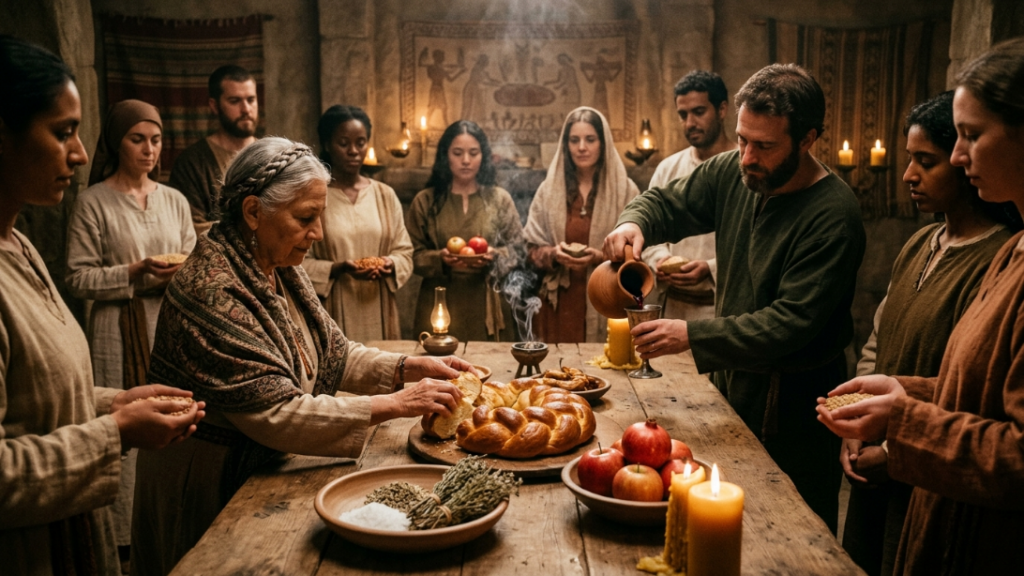
Culinary symbolism in rituals demonstrates that food has always communicated ideas far beyond taste and nutrition. Every loaf of bread, bowl of grain, sweet dessert, fragrant herb, or ceremonial beverage carried meanings that reflected faith, hope, prosperity, remembrance, and community.
Although countless civilizations have disappeared, their symbolic food traditions continue influencing cultures around the world. Archaeological discoveries, historical research, and living traditions reveal that ritual cuisine has preserved humanity’s shared heritage for thousands of years.
More importantly, these traditions remind us that meals are opportunities to celebrate, remember, teach, and connect with one another. Every ceremonial dish tells a story, and every shared table strengthens the bonds that unite families, communities, and cultures.
As we continue exploring the rich history of culinary symbolism, we gain a deeper appreciation for the remarkable role that food has played—and continues to play—in shaping human civilization. 🌍🍽️✨