Anúncios
🌍 Introduction: Why Food Has Always Carried a Deeper Meaning
Throughout human history, food has represented much more than nourishment. Across ancient civilizations and modern societies alike, culinary traditions have played a central role in religious ceremonies, seasonal festivals, royal celebrations, and family gatherings. Every ingredient, cooking technique, and shared meal has carried symbolic meaning that reflects a culture’s beliefs, values, and connection to the spiritual world.
Culinary symbolism in rituals demonstrates how ordinary foods become extraordinary when placed within sacred traditions. Bread may represent life, honey may symbolize prosperity, while wine can signify transformation and unity. These meanings have evolved over thousands of years but continue influencing celebrations across the globe today.
From ancient temples to modern holiday tables, ritual food tells stories that connect generations. Understanding the symbolism behind these traditions allows us to appreciate not only the flavors but also the history and cultural significance hidden within every ceremonial meal.
🕊️ Food as a Universal Symbol of Life
Across nearly every civilization, food has symbolized life itself.
Ancient societies believed that sharing a meal created bonds stronger than words. Offering food demonstrated generosity, hospitality, peace, and mutual respect. Whether presented to guests, ancestors, or deities, ceremonial meals reflected the belief that nourishment extended beyond the physical body.
Communities gathered around ritual feasts to celebrate births, marriages, successful harvests, victories, and important religious occasions. These shared experiences strengthened social unity while reinforcing cultural traditions that often survived for centuries.
Even today, families continue expressing love and gratitude through food during holidays and celebrations.
🍞 Bread: The Timeless Symbol of Life and Prosperity
Few foods possess deeper symbolic meaning than bread.
For thousands of years, civilizations across Europe, the Middle East, and North Africa viewed bread as a sacred gift representing survival, abundance, and divine blessing.
Ancient Egyptians placed bread inside tombs.
Greek temples offered fresh loaves during religious festivals.
Medieval communities baked ceremonial bread for weddings and harvest celebrations.
The process of transforming simple grain into nourishing bread also became a powerful symbol of growth, patience, and renewal.
Today, bread remains central to countless cultural and religious traditions around the world.
🍯 Honey and Sweet Foods as Symbols of Blessing
Long before refined sugar became common, honey represented one of humanity’s most treasured foods.
Its natural sweetness symbolized happiness, prosperity, purity, and good fortune. Many ancient cultures believed honey carried healing properties while serving as a gift from nature itself.
Ceremonial desserts made with honey often appeared during weddings, harvest festivals, and religious holidays.
Dates, figs, raisins, and dried fruits also represented abundance because they could be preserved for long periods while providing valuable nutrition.
Even modern celebrations frequently include sweet foods to symbolize hopes for a joyful future.
🍇 Wine and Sacred Beverages in Ritual Traditions
Throughout history, ceremonial beverages have held profound symbolic importance.
Wine represented celebration, transformation, gratitude, and spiritual communion across numerous Mediterranean civilizations.
The Maya prepared sacred cacao drinks for royalty and priests.
The Inca honored important festivals with ceremonial chicha.
Ancient European cultures celebrated with mead made from fermented honey.
Rather than serving as ordinary refreshments, these beverages reflected sacred traditions that connected communities with their ancestors, leaders, and religious beliefs.
Every shared cup reinforced unity and trust among participants.
🌾 Grains and Harvest Rituals
Grains formed the foundation of many ancient civilizations, making them powerful symbols of prosperity and renewal.
Wheat, barley, rice, maize, millet, and quinoa frequently appeared during ceremonial celebrations marking successful harvests.
Communities thanked nature for providing nourishment while praying for continued fertility during future growing seasons.
Freshly harvested grain often became ceremonial bread or porridge served during communal feasts.
Harvest festivals remain among humanity’s oldest continuous traditions, preserving agricultural customs established thousands of years ago.
🔥 Fire and Cooking as Sacred Acts
Cooking itself often carried spiritual significance.
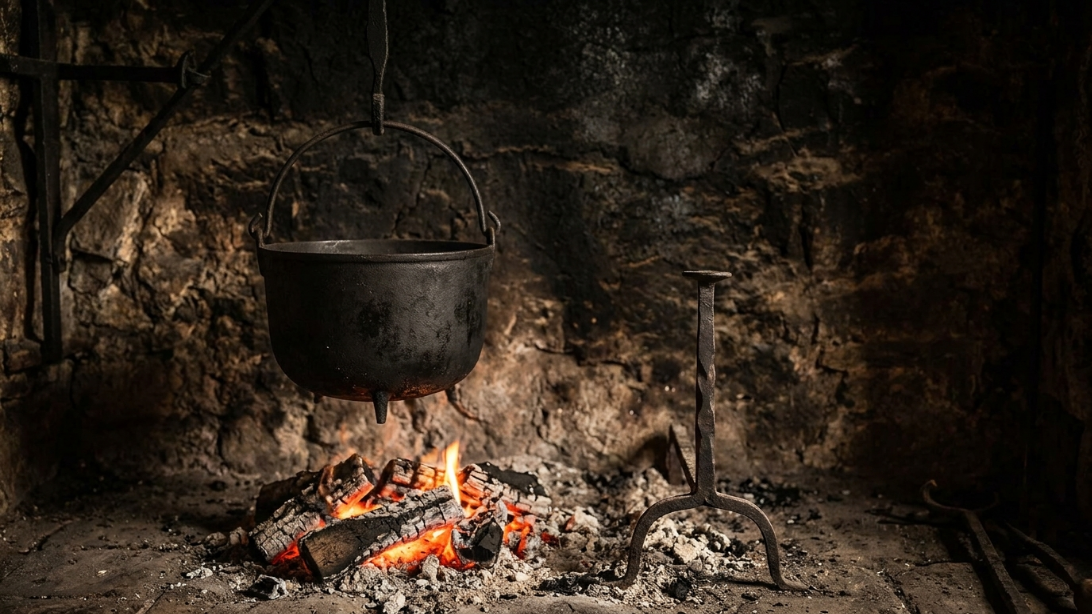
Ancient cultures believed fire purified ingredients while transforming ordinary food into sacred offerings.
Open flames symbolized divine presence, renewal, protection, and transformation.
Many ceremonial meals required food to be roasted over specially prepared fires lit exclusively for religious celebrations.
The preparation process became just as meaningful as the meal itself.
Every stage—from gathering ingredients to serving the final dish—followed carefully preserved traditions passed from one generation to another.
🌿 Herbs and Spices With Ritual Meanings
Beyond flavor, herbs and spices carried important symbolic roles in ritual cuisine.
🌿 Rosemary represented remembrance.
🌱 Sage symbolized wisdom and purification.
🍃 Mint reflected hospitality and renewal.
🌼 Laurel leaves signified victory and honor.
✨ Cinnamon and frankincense represented wealth, spirituality, and divine blessing.
Because many spices traveled great distances through ancient trade routes, they became valuable ingredients reserved for important ceremonial occasions.
Their presence elevated both the symbolic and economic value of ritual meals.
🏺 Sacred Meals Strengthened Communities
One remarkable aspect of culinary symbolism is its ability to unite people.
Ancient ceremonial meals encouraged cooperation between farmers, hunters, artisans, priests, musicians, and families.
Preparing large communal feasts required everyone to contribute according to their abilities.
Sharing food reinforced equality, trust, gratitude, and collective identity.
Rather than focusing solely on individual enjoyment, ritual meals celebrated the strength of the entire community.
This tradition continues through modern festivals, family reunions, religious gatherings, and cultural celebrations worldwide.
🌎 Culinary Symbolism Across Different Cultures
Although civilizations developed independently, many shared remarkably similar food symbols.
🍚 Rice represented prosperity throughout Asia.
🫒 Olives symbolized peace across the Mediterranean.
🐟 Fish reflected abundance in coastal communities.
🥚 Eggs represented rebirth in numerous cultures.
🌰 Nuts symbolized fertility and longevity.
🍎 Fruits celebrated abundance and seasonal renewal.
These recurring symbols demonstrate that humanity often assigned similar meanings to essential foods despite vast geographic distances.
🧪 Archaeology Helps Decode Ancient Food Symbolism
Modern archaeology continues revealing the hidden meanings behind ceremonial cuisine.
Scientists analyze pottery residues, preserved seeds, cooking utensils, pollen, and ancient kitchens to reconstruct forgotten ritual meals.
Chemical analysis identifies herbs, oils, beverages, and grains used thousands of years ago.
Temple inscriptions explain religious ceremonies involving food offerings.
Burial sites preserve symbolic meals prepared for the afterlife.
Every discovery expands our understanding of how culinary symbolism shaped ancient civilizations.
🌱 Ancient Ritual Foods Inspire Modern Sustainability
Many traditional ceremonial foods relied upon seasonal ingredients harvested responsibly from local environments.
Ancient farmers practiced crop rotation, water conservation, seed preservation, and biodiversity long before sustainability became a global concern.
Today’s growing interest in heritage grains, locally sourced ingredients, and traditional cooking methods reflects renewed appreciation for these ancient practices.
Ritual food reminds modern society that respecting nature has always been essential for long-term prosperity.
❤️ Why Culinary Symbolism Still Matters Today
Although the world has changed dramatically, food continues carrying emotional and symbolic meaning.
Birthday cakes celebrate life.
Wedding banquets symbolize unity.
Holiday meals strengthen family bonds.
Religious feasts reinforce shared beliefs.
Harvest festivals express gratitude.
Across cultures, food remains one of humanity’s most powerful forms of communication.
Every shared meal tells a story, preserves memories, and connects generations through traditions that continue evolving while honoring the past.
✨ Conclusion: The Timeless Language of Ritual Food
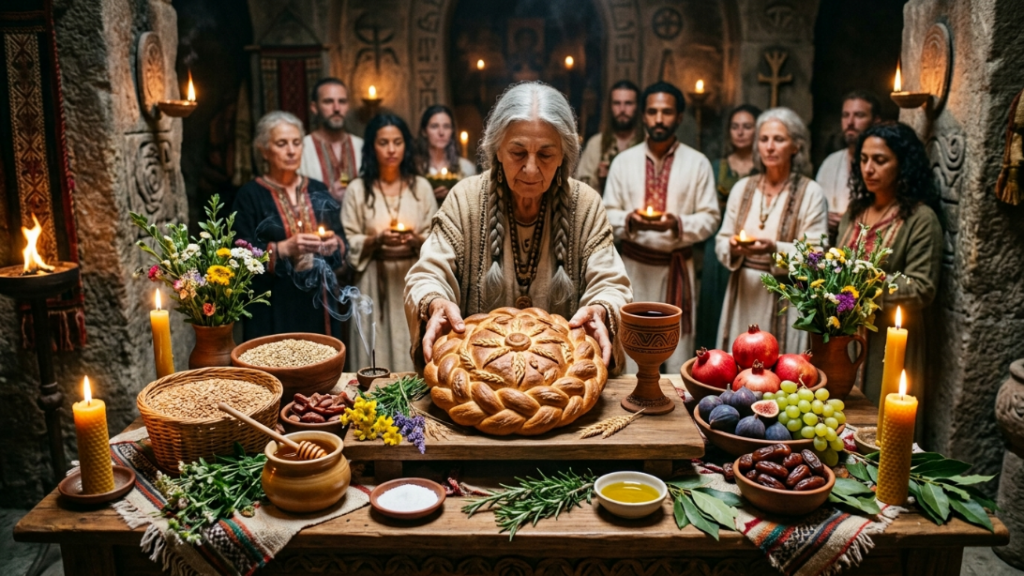
Culinary symbolism in rituals reveals that food has always been much more than fuel for the body. It is a language of gratitude, faith, remembrance, celebration, and hope. Ancient civilizations transformed simple ingredients into sacred symbols capable of expressing emotions, beliefs, and cultural values that endured for thousands of years.
From ceremonial bread and sacred wine to symbolic grains, herbs, honey, and seasonal fruits, ritual foods continue influencing traditions across every continent. Archaeological discoveries constantly uncover new evidence showing how deeply food shaped religion, politics, agriculture, and everyday life in lost civilizations.
By exploring the symbolism behind ceremonial cuisine, we gain a richer understanding of our shared human heritage. More importantly, we recognize that every culture, regardless of time or place, has used food to bring people together, honor the past, celebrate the present, and inspire hope for the future. 🌍🍽️