Anúncios
Introduction: The Legacy of Forgotten Sacred Meals
Across the ancient world, ceremonial food represented much more than nourishment. Long before written history became common, civilizations expressed their beliefs, honored their ancestors, celebrated successful harvests, and strengthened their communities through carefully prepared ritual meals. Every ceremonial dish reflected centuries of accumulated knowledge, combining local ingredients with religious symbolism and cultural traditions.
Although many of these civilizations eventually disappeared, their ceremonial cuisine continues to captivate archaeologists, historians, anthropologists, and culinary experts. Every excavation uncovers new evidence that helps reconstruct forgotten recipes and reveals how ancient people understood the relationship between food, spirituality, leadership, and survival.
Today, studying the ceremonial dishes of lost cultures provides a unique opportunity to explore history from an entirely different perspective. Rather than focusing solely on monuments or battles, these ancient meals tell intimate stories about everyday life, sacred rituals, agricultural innovation, and the values that united entire societies.
Food as a Bridge Between Humans and the Divine
For many ancient civilizations, ceremonial meals created a direct connection between the physical and spiritual worlds.
Religious festivals often included elaborate offerings prepared specifically for gods, spirits, or revered ancestors. People believed that presenting the finest available food demonstrated gratitude, humility, and devotion.
In some cultures, ceremonial dishes were placed inside temples before being shared among worshippers. In others, food remained untouched as a symbolic gift to supernatural beings.
These traditions reflected the widespread belief that food possessed sacred power capable of strengthening the relationship between humanity and divine forces.
The Ceremonial Importance of Water
While much attention focuses on ritual foods, water itself frequently held ceremonial significance.
Sacred springs, rivers, lakes, and wells supplied water used to prepare offerings, bake ceremonial bread, brew ritual beverages, and purify cooking spaces.
Ancient Egyptians depended upon the Nile.
Mesopotamians honored the Tigris and Euphrates.
Mesoamerican civilizations celebrated cenotes as sacred sources of life.
Without reliable water, neither agriculture nor ceremonial cuisine could exist.
For this reason, many ancient food rituals began with purification ceremonies involving water before cooking even started.
Foods Reserved Only for Special Occasions
Not every ingredient was available throughout the year.
Rare fruits, exotic spices, premium grains, and carefully raised livestock were often reserved exclusively for ceremonial celebrations.
These ingredients became symbols of prosperity because ordinary families rarely consumed them during daily life.
Temple officials, royal kitchens, and community leaders carefully stored valuable foods until important festivals arrived.
This practice increased the symbolic importance of ceremonial dishes while emphasizing the exceptional nature of sacred celebrations.
The Art of Sharing Ritual Meals
One of the defining characteristics of ancient ceremonial cuisine was communal participation.
Unlike modern banquets focused primarily on entertainment, ritual feasts emphasized cooperation and collective identity.
Everyone contributed according to their abilities.
Farmers supplied grain.
Hunters provided meat.
Fishermen brought seafood.
Potters crafted serving vessels.
Musicians accompanied celebrations.
Priests supervised ceremonies.
The meal itself became a collective achievement representing the strength and unity of the entire community.
Ancient Preservation Techniques for Sacred Foods
Preparing ceremonial dishes often required ingredients harvested months earlier.
Ancient civilizations therefore mastered remarkable preservation methods.
Fruits were dried beneath the sun.
Meat was smoked over slow-burning fires.
Fish was salted before storage.
Grains remained inside elevated granaries protected from insects and moisture.
Fermented foods lasted throughout harsh winters and extended droughts.
These innovations ensured ceremonial celebrations could continue regardless of seasonal limitations.
Ceremonial Foods for Royal Coronations
The coronation of kings and queens frequently included elaborate ritual banquets.
Royal kitchens prepared impressive meals designed to symbolize wisdom, strength, prosperity, and legitimate leadership.
Imported spices, roasted animals, rare wines, fresh fruits, honey, nuts, and decorative breads demonstrated the kingdom’s wealth.
Foreign ambassadors attending these celebrations experienced the ruler’s generosity firsthand.
As a result, ceremonial cuisine became an important diplomatic tool alongside its religious significance.
Music, Dance, and Food Worked Together
Ancient ceremonial feasts rarely involved food alone.
Music accompanied sacred meals.
Traditional dances celebrated successful harvests.
Poetry honored ancestors.
Storytellers preserved historical events.
Religious chants blessed ceremonial offerings.
These artistic traditions transformed meals into complete cultural experiences where every participant contributed to preserving collective memory.
Food therefore functioned as one element within much larger ceremonial celebrations.
Ancient Markets Supplied Ritual Ingredients
Behind every ceremonial feast stood highly organized trade systems.
Farmers cultivated grains.
Beekeepers collected honey.
Fishermen harvested seafood.
Merchants transported spices across continents.
Artisans manufactured ceremonial vessels.
Temple officials organized storage.
Large markets ensured sacred ingredients remained available whenever important festivals approached.
These commercial networks connected distant regions while encouraging cultural exchange through culinary traditions.
Ceremonial Desserts Across Ancient Civilizations
Sweet foods often marked joyful celebrations.
Honey served as humanity’s oldest natural sweetener.
Dates, figs, raisins, and dried berries enhanced ceremonial pastries.
Sesame seeds, nuts, and aromatic spices created festive treats reserved for weddings, harvest festivals, and religious holidays.
Although refined sugar appeared much later in history, ancient civilizations developed surprisingly sophisticated desserts using locally available ingredients.
Many modern sweets still resemble these early ceremonial creations.
Children’s Role in Food Traditions
Ancient societies ensured ceremonial recipes survived by involving children from an early age.
Young family members observed elders preparing sacred meals.
They learned which herbs belonged in ceremonial dishes.
They helped grind grain, gather firewood, wash vegetables, and decorate serving areas.
These practical experiences transmitted cultural knowledge naturally from one generation to the next.
Without this educational process, countless culinary traditions would have disappeared centuries ago.
Archaeological Evidence Hidden Inside Ancient Pottery
One of archaeology’s greatest breakthroughs involves residue analysis.
Tiny food particles trapped inside pottery reveal astonishing details about forgotten recipes.
Scientists identify animal fats, plant oils, fermented beverages, spices, medicinal herbs, dairy products, grains, and even flower extracts used thousands of years ago.
These microscopic discoveries help reconstruct ceremonial dishes with remarkable accuracy.
As laboratory technology continues improving, researchers uncover increasingly detailed information about ancient culinary traditions once believed permanently lost.
Why Ancient Food Diversity Matters Today
Many ingredients commonly consumed by lost civilizations have disappeared from modern agriculture.
Ancient varieties of wheat, beans, fruits, herbs, and vegetables possessed remarkable resilience against drought, disease, and changing climates.
Preserving these forgotten crops benefits both cultural heritage and modern food security.
Researchers increasingly study ancient agriculture to discover sustainable farming techniques capable of addressing future environmental challenges.
In many cases, ceremonial ingredients provide valuable insight into biodiversity that modern agriculture has largely forgotten.
The Revival of Historical Culinary Tourism
Interest in ceremonial dishes has created new opportunities for cultural tourism.
Visitors increasingly travel to archaeological sites seeking authentic historical experiences.
Museums organize interactive cooking demonstrations.
Cultural festivals recreate traditional ceremonial banquets.
Historic villages prepare recipes inspired by archaeological discoveries.
Professional chefs collaborate with historians to introduce ancient flavors to contemporary audiences.
These experiences help preserve endangered culinary traditions while promoting appreciation for global cultural heritage.
Conclusion: Preserving the Sacred Flavors of the Ancient World
The ceremonial dishes of lost cultures continue offering extraordinary insight into humanity’s shared history. Far beyond simple meals, these ritual foods reflected religious beliefs, agricultural innovation, political leadership, artistic expression, environmental knowledge, and community cooperation.
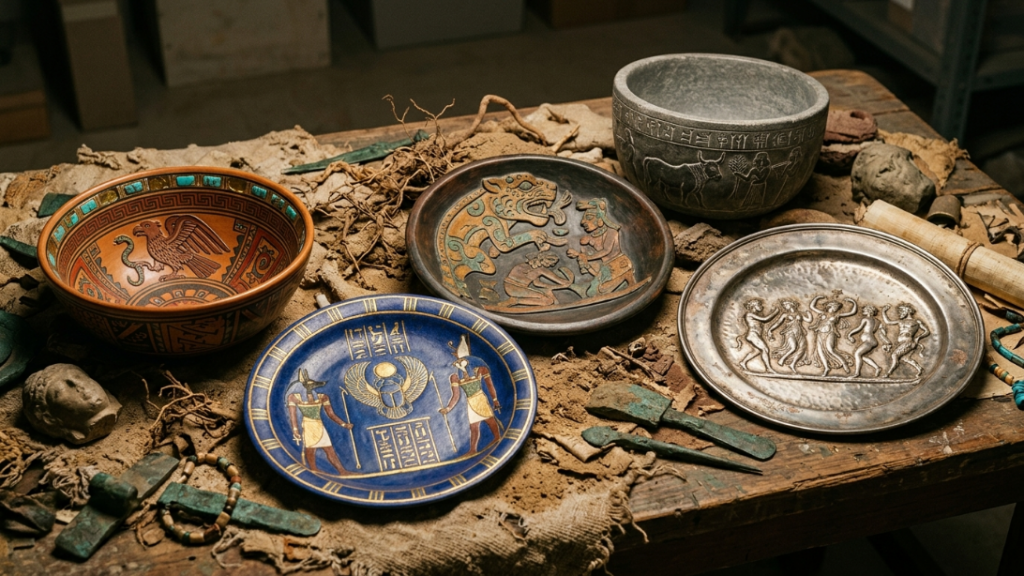
Every archaeological discovery expands our understanding of civilizations that shaped the modern world. Ancient kitchens, ceremonial vessels, preserved ingredients, temple offerings, and historical records demonstrate that food served as one of history’s most powerful cultural languages.
Although many of these civilizations vanished centuries ago, their culinary traditions remain surprisingly relevant. Modern celebrations, holiday feasts, family gatherings, harvest festivals, and religious ceremonies still reflect values first expressed through ancient ritual meals.
By studying and preserving ceremonial dishes, we honor generations of people whose creativity transformed ordinary ingredients into extraordinary symbols of faith, gratitude, prosperity, and unity. Their recipes remind us that food carries stories capable of surviving long after cities disappear and empires fall.
Ultimately, the ceremonial dishes of lost cultures continue connecting modern society with humanity’s earliest traditions. They encourage us to appreciate not only remarkable ancient recipes but also the timeless values of community, respect for nature, cultural identity, and shared celebration that continue bringing people together around the table today.